
Mezze Versus Tapas Plates and How They Differ
A table covered in small plates invites a certain kind of happiness: hands reaching, bread being passed, a new flavor arriving just as a story begins. Mezze versus tapas plates may look similar at first glance, especially to travelers who love sharing food, but they come from different culinary languages. One carries the generous, unhurried rhythm of the Eastern Mediterranean and Anatolia; the other reflects Spain’s lively bar culture and regional cooking traditions.
Both are made for conversation. Both reward curiosity. Yet the distinction matters, because a plate of smoky eggplant with warm bread is not simply a Turkish version of a Spanish tapa, just as patatas bravas is not Spanish mezze. Each tradition has its own sense of hospitality, sequence, and place at the table.
Mezze Versus Tapas Plates: The Cultural Difference
Mezze is rooted in a wide culinary geography that includes Türkiye, the Levant, Greece, the Balkans, the Caucasus, and parts of the Middle East. The word and the foods it describes travel across borders, changing gently from one home and city to another. In Türkiye, it is often written as meze, and it holds a treasured role in long dinners, neighborhood taverns, family tables, and celebrations.
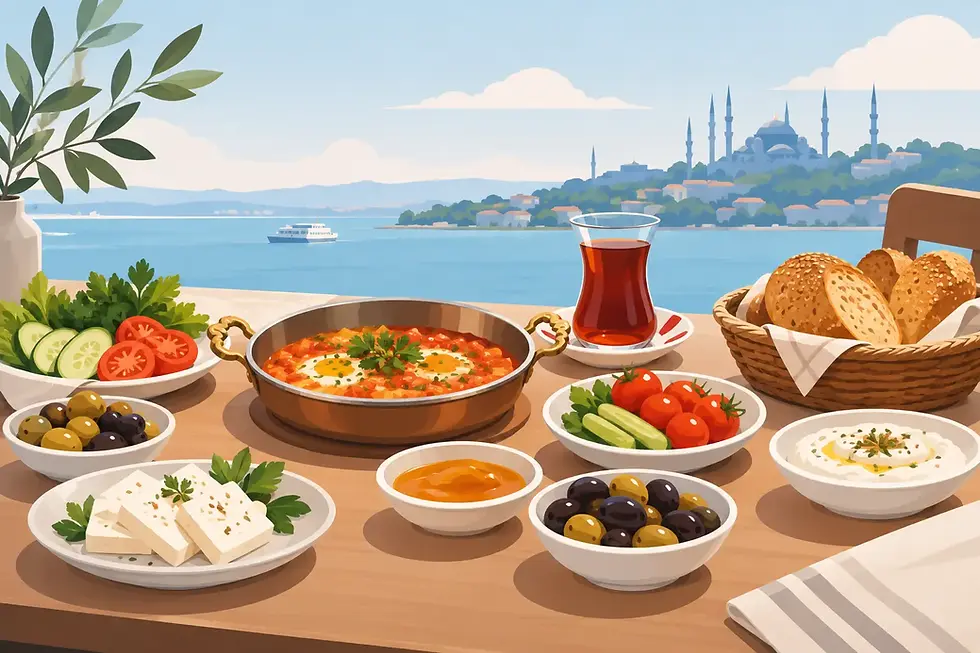
A mezze spread is not built around speed. It is an opening, an accompaniment, and sometimes the entire occasion. Cool yogurt dishes, olive oil vegetables, briny seafood, cheese, salads, and warm pastries may arrive together or in a leisurely sequence. The intention is generosity: there should be enough color, texture, and flavor for everyone at the table to find a favorite and then share it.
Tapas belong to Spain, where their meaning is equally shaped by local custom. The word tapa traditionally refers to a small portion served with a drink, although the origin story of a bread slice covering a glass is more beloved than certain. In modern Spanish dining, tapas can be casual bar snacks, composed plates, or a full meal created by ordering several dishes to share. Regional identity is especially strong, from Andalusian fried fish to Galician octopus and the pintxos culture of the Basque Country.
The difference, then, is not that one is authentic sharing food and the other is not. Both are. The difference is the cultural rhythm behind the sharing.
The Rhythm of the Table
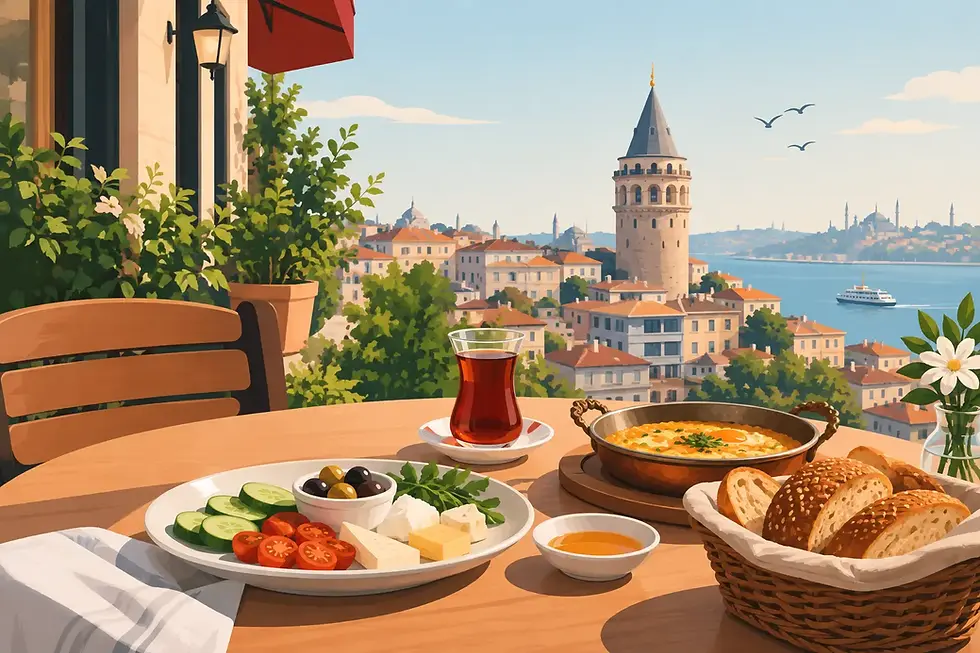
Mezze often creates a table that feels abundant from the beginning. Several cold dishes may appear at once, inviting guests to build each bite differently: a little haydari on bread, a forkful of zeytinyağlı artichoke, a spoonful of spicy ezme beside white cheese. Hot dishes may follow, but the meal is already in motion. There is no need to rush toward one central plate.
That rhythm reflects a deep tradition of lingering. The meal makes room for tea, conversation, laughter, and the small pauses that turn dining into companionship. Mezze is often connected with rakı tables in Türkiye, but it belongs just as naturally to a breakfast spread, a family lunch, or an evening meal where the gathering itself is the main event.
Tapas can be more spontaneous and progressive. In many Spanish settings, friends move from bar to bar, ordering a drink and one or two items at each stop. At a seated meal, plates may arrive as they are ready rather than as one complete spread. There is a pleasing unpredictability to it: croquettes first, then grilled peppers, then shrimp sizzling in garlic oil.
Neither style is fixed. A restaurant may serve mezze one plate at a time, and a Spanish table may order everything at once. But mezze tends to feel like a landscape laid before the guests, while tapas often feels like a series of delicious decisions.
Ingredients Tell Their Own Stories
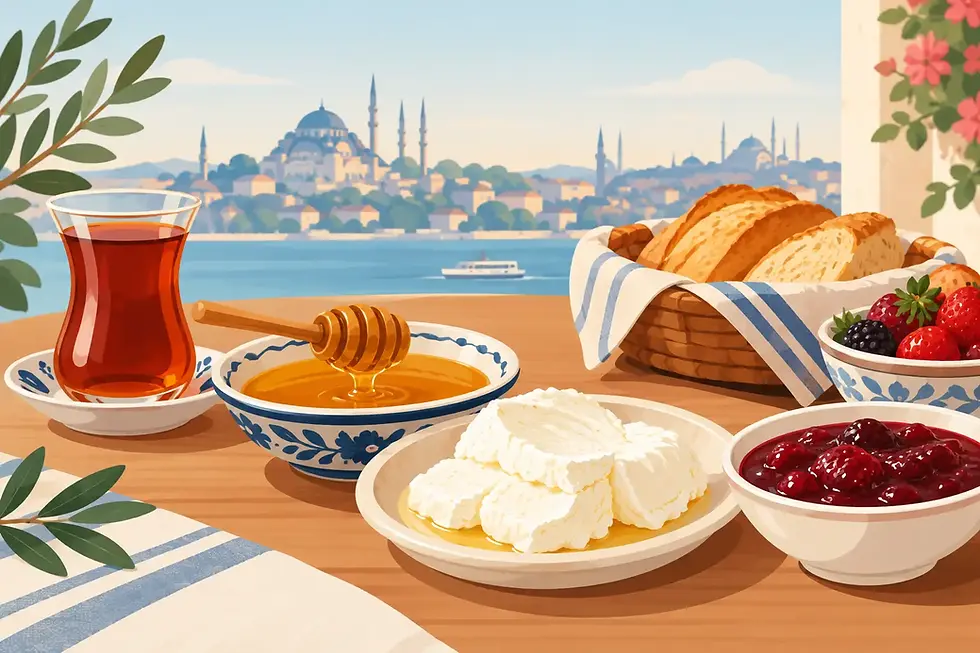
The ingredients on mezze plates reveal the climate and pantry of the region. Olive oil is essential, as are yogurt, fresh herbs, legumes, eggplant, tahini, walnuts, pomegranate, tomatoes, peppers, and cheeses. Bread is not merely a side item. It is part of the ritual, used to gather dips and sauces and to bring separate flavors together.
Many mezze dishes begin with humble ingredients and careful preparation. A dish of beans in olive oil, for example, can hold the taste of summer tomatoes, slow cooking, and a family kitchen. Stuffed grape leaves are small parcels of patience. A good muhammara balances roasted pepper sweetness, walnut richness, and a quiet heat. The beauty lies not in excess, but in attention.
Tapas draw from a different pantry, though olive oil, garlic, seafood, vegetables, and bread are also central. Spanish cured ham, chorizo, potatoes, salt cod, Manchego cheese, sherry vinegar, paprika, and saffron create flavors that are unmistakably Spanish. A tapa may be as simple as marinated olives or as rich as tortilla española, with its tender layers of egg and potato.
There are points of overlap because Mediterranean food has always traveled. Eggplant, chickpeas, peppers, and seafood appear on both kinds of tables. What changes is the seasoning, technique, and memory carried by the dish. A creamy Turkish yogurt mezze and a Spanish aioli-based tapa may both offer richness, but they speak with different accents.
How to Order With More Confidence
When choosing mezze, think in contrasts rather than individual favorites. Select something creamy, something sharp, something herbal, something olive-oil-based, and one warm plate if available. Add bread and allow the table to compose its own bites. This approach creates balance without making the meal feel planned too tightly.
For tapas, order according to appetite and pace. A couple might begin with two or three plates, then add more as the evening unfolds. Fried items, grilled seafood, potatoes, and cured meats can make a satisfying combination, but the pleasure comes from variety rather than trying to create a perfect sampler all at once.
Dietary preferences also matter. Mezze can be especially welcoming for vegetarian diners because vegetables, beans, yogurt, and grains are central rather than secondary. Still, not every mezze is vegetarian: some include fish, meat, or seafood, and yogurt-based dishes are not vegan. Tapas offers many vegetable and seafood choices as well, though cured meats and fried dishes often play a larger role depending on the menu.
Why Mezze Feels So Natural in Istanbul
In Istanbul, small plates belong to the city’s way of gathering. The Bosphorus connects continents, neighborhoods hold generations of migration, and the table has absorbed influences without losing its intimacy. A plate of meze can carry traces of Anatolian villages, Aegean olive groves, Ottoman kitchens, and the everyday generosity of a home meal.
At Dafne Cafe & Kitchen in Cihangir, this spirit is best understood not as a museum piece, but as a living invitation. A thoughtfully prepared shared table allows visitors and locals alike to taste the layers of Turkish food culture without needing a formal lesson. The story is already there in the olive oil, the herbs, the handmade touch, and the way a dish is placed in the center for everyone.
The Best Choice Depends on the Moment
Choose mezze when you want the table to feel settled, generous, and communal. It suits long breakfasts, lingering dinners, groups with different tastes, and anyone who wants to explore Turkish and Eastern Mediterranean flavors through many small gestures of care.
Choose tapas when you want an energetic, flexible evening shaped by movement and discovery. It is ideal for a bar-hopping night, a quick drink that becomes dinner, or a meal that unfolds plate by plate.
The loveliest shared meals do not ask diners to choose one tradition over another. They ask us to notice what each tradition protects: the pleasure of eating slowly, tasting widely, and making room for one more story around the table.
Yorumlar