
How to Build a Mezze Table With Turkish Soul
A beautiful table begins before the first plate is set down. It begins with the promise that no one will rush, that bread will be passed by hand, and that every small dish will invite another story. Learning how to build a mezze table is less about arranging a perfect spread and more about creating that generous feeling - the one that makes guests lean closer, linger longer, and reach for one more bite.
In Turkish dining, mezze is an expression of abundance without excess. A few well-chosen dishes, each with its own texture, color, and memory, can turn an ordinary gathering into a meal that feels deeply welcoming. The goal is not to place every possible dish on the table. It is to create harmony.
Start Your Mezze Table With a Point of View
Before shopping, decide what kind of moment you are creating. A sunlit weekend brunch asks for fresh cheeses, herbs, tomatoes, olives, and warm pastries. An evening table can carry richer notes: smoky eggplant, walnut-studded dips, olive-oil vegetables, and perhaps a warm dish at the center.
Think of mezze as a conversation between contrasts. Creamy dishes need something bright and sharp beside them. A rich olive-oil braise benefits from crisp greens or peppery arugula. Spicy flavors become more interesting with cool yogurt. This rhythm is what keeps the table inviting from the first bite to the last.
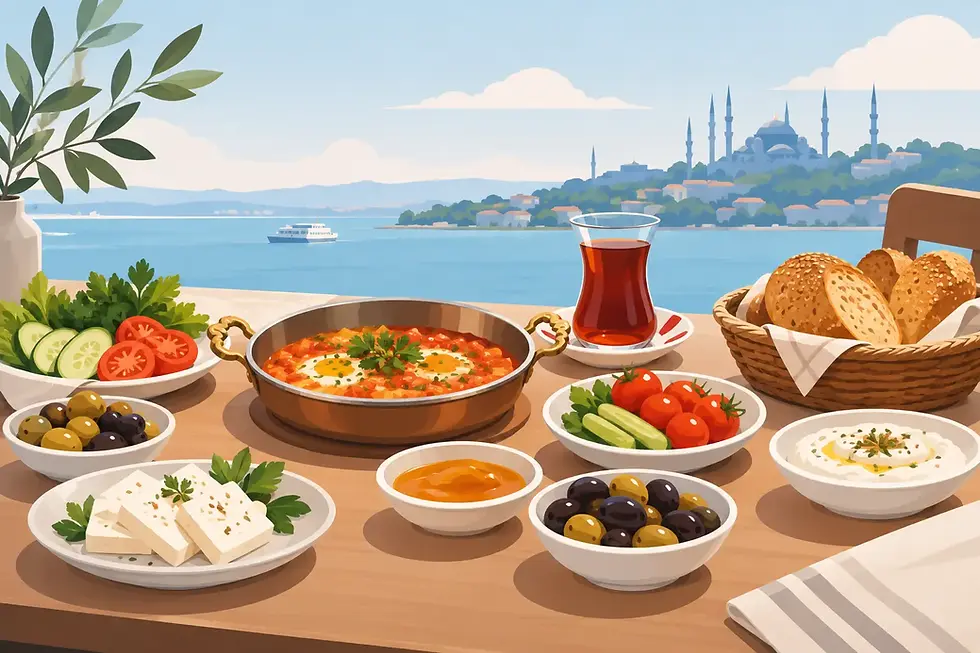
For a gathering of four to six people, choose six to eight components. That number is generous enough to create variety but restrained enough that every dish receives attention. If the mezze table will be the entire meal, add a warm centerpiece, such as sigara böreği, grilled halloumi, baked vegetables, or small köfte.
How to Build a Mezze Table in Layers
The most memorable spreads do not arrive as a single row of similar bowls. They move through color, height, temperature, and texture. Begin with the foods that hold the spirit of the table, then add contrast around them.
Choose a creamy foundation
A yogurt-based dish brings calm to the table. Haydari, made with thick yogurt, herbs, and garlic, offers a cool, tangy softness. Cacık is lighter and more refreshing, especially when cucumber and mint are at their peak. A whipped feta dip can also work beautifully when you want a familiar ingredient with a Mediterranean character.
Serve one creamy dip rather than several. Too many pale, soft dishes can make the table feel repetitive, no matter how good each one tastes.
Add brightness and heat
This is where acılı ezme earns its place. Finely chopped tomatoes, peppers, herbs, and pomegranate molasses bring acidity, gentle heat, and jewel-like color. It wakes up the palate between bites of cheese, bread, and olive oil.
If you prefer a milder table, make a tomato and herb salad with lemon, sumac, and a little olive oil. The principle remains the same: include something lively and fresh enough to cut through richer dishes.
Bring in smoke, earth, or sweetness
A roasted eggplant salad gives mezze its unmistakable depth. Whether dressed simply with lemon and olive oil or blended with yogurt, eggplant contributes a smoky, velvety note that feels especially generous alongside warm flatbread.
Fava, a smooth broad bean purée finished with dill and olive oil, offers a quieter but equally traditional alternative. Its mild, earthy character pairs beautifully with sharp pickles and briny olives. For a sweeter, fuller flavor, a walnut and red pepper spread can bring warmth and color to the table.
Include vegetables that taste like patience
Olive-oil vegetables are not merely side dishes. They carry the slow, careful spirit of home cooking. Artichokes with peas and dill, green beans cooked with tomatoes, stuffed grape leaves, or tender leeks with carrots all make a mezze table feel rooted in the season.
Choose one vegetable dish that can be served at room temperature. It gives you freedom as a host and gives the table a sense of ease. Mezze should never feel like a race against the stove.
Do Not Forget the Essentials Around the Dips
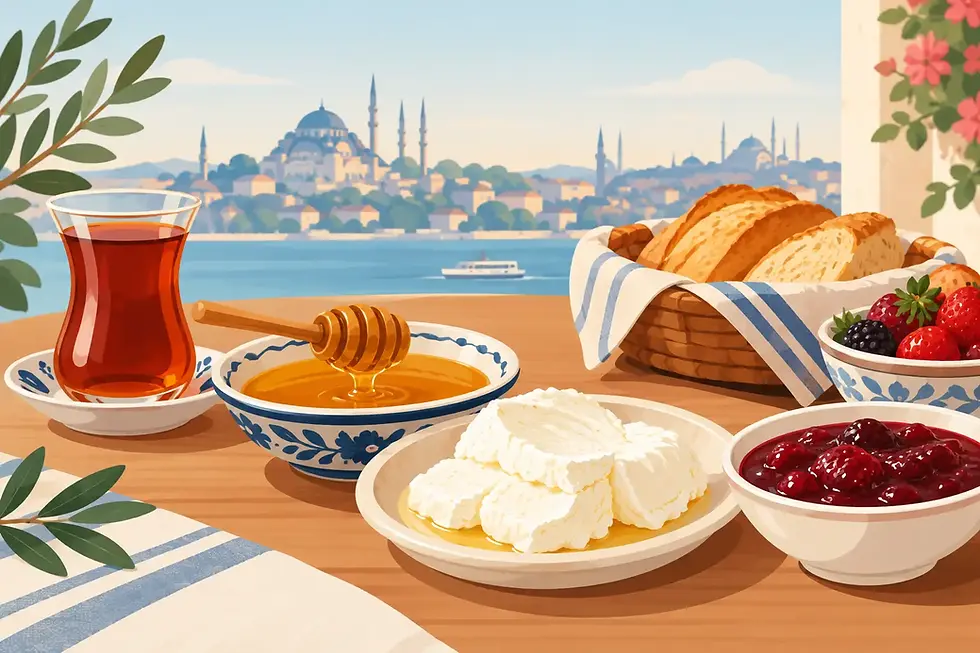
Bread is not an accessory here. It is part of the meal. Offer warm pide, lavash, or a crusty country loaf cut into generous pieces. Warm bread softens the edges of every flavor and gives guests a natural way to share.
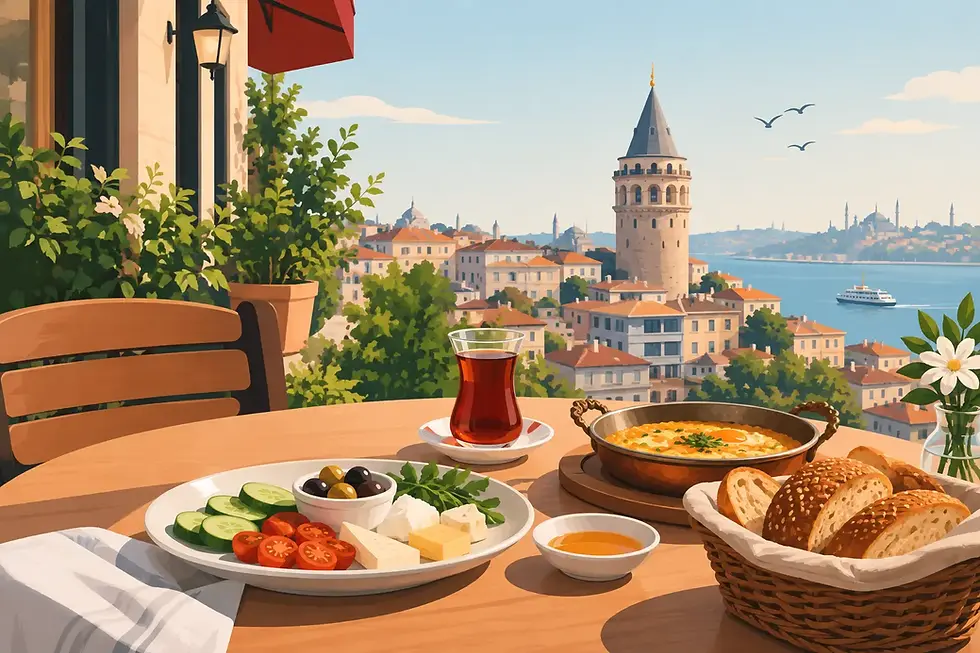
Then add a small bowl of olives, a plate of good white cheese, and fresh produce. Sliced cucumbers, ripe tomatoes, radishes, scallions, parsley, dill, and mint bring freshness without requiring much preparation. A scattering of fresh herbs is especially valuable because it lets each person build bites to their own taste.
Pickles deserve a place as well. Their acidity creates a welcome pause between creamy, smoky, and savory dishes. Use them with restraint. A little sharpness makes the rest of the table taste more alive.
Arrange the Table for Sharing, Not for Show
A mezze table can be visually striking, but it should always remain easy to eat from. Use small plates and bowls in different shapes, then avoid making everything too symmetrical. Place the largest dish slightly off-center and build outward from it. Tuck bread into a basket or on a board where everyone can reach it.
Keep tall objects minimal. A tall vase may look elegant, but it can interrupt the conversation that mezze is meant to encourage. Low candles, a small bowl of lemons, or sprigs of herbs create atmosphere without blocking faces across the table.
Color matters, but natural color is enough. The red of ezme, the green of herbs, the creaminess of yogurt, the deep purple of olives, and the golden shine of olive oil already make a table feel alive. A final drizzle of olive oil, a pinch of pul biber, or a few pomegranate seeds can finish a dish without making it feel overly styled.
Plan What Can Be Made Ahead
The secret to relaxed hosting is making room for yourself at the table. Most cold mezze improves after time in the refrigerator, when garlic, herbs, lemon, and olive oil have a chance to settle together. Prepare dips, fava, stuffed grape leaves, and vegetable dishes a day ahead when possible.
On the day of your gathering, focus on fresh elements. Slice the tomatoes, wash the herbs, warm the bread, and prepare any hot dish just before guests arrive. Take chilled mezze out 20 to 30 minutes before serving. Cold dishes taste more expressive when they are not ice-cold.
If you are serving wine, raki, or sparkling water with citrus, let the table guide the choice. Bright, herbal, and salty dishes generally welcome crisp drinks. Heavier eggplant or walnut dishes can hold their own with something fuller. What matters most is that the drinks support the food rather than compete with it.
Let the Table Reflect the Season
There is no fixed mezze table that suits every month. In summer, rely on tomatoes, purslane, cucumbers, fresh herbs, and chilled yogurt dishes. In cooler weather, bring in roasted squash, warm mushrooms, caramelized onions, lentil patties, and richer olive-oil vegetables.
This seasonal instinct is part of what gives Turkish food its sense of place. At Dafne Cafe & Kitchen in Cihangir, a meal is never just a collection of recipes. It is a meeting point for memory, regional ingredients, and the pleasure of gathering around one table.
A mezze table does not need matching dishes, complicated recipes, or a crowded menu to feel special. Give it good bread, a balance of flavors, and enough time for conversation. When the last spoonful of haydari is shared and someone reaches across the table for one final olive, you will know you built more than a spread. You made room for people to feel at home.
Yorumlar