What Is Anatolian Cuisine, Really?
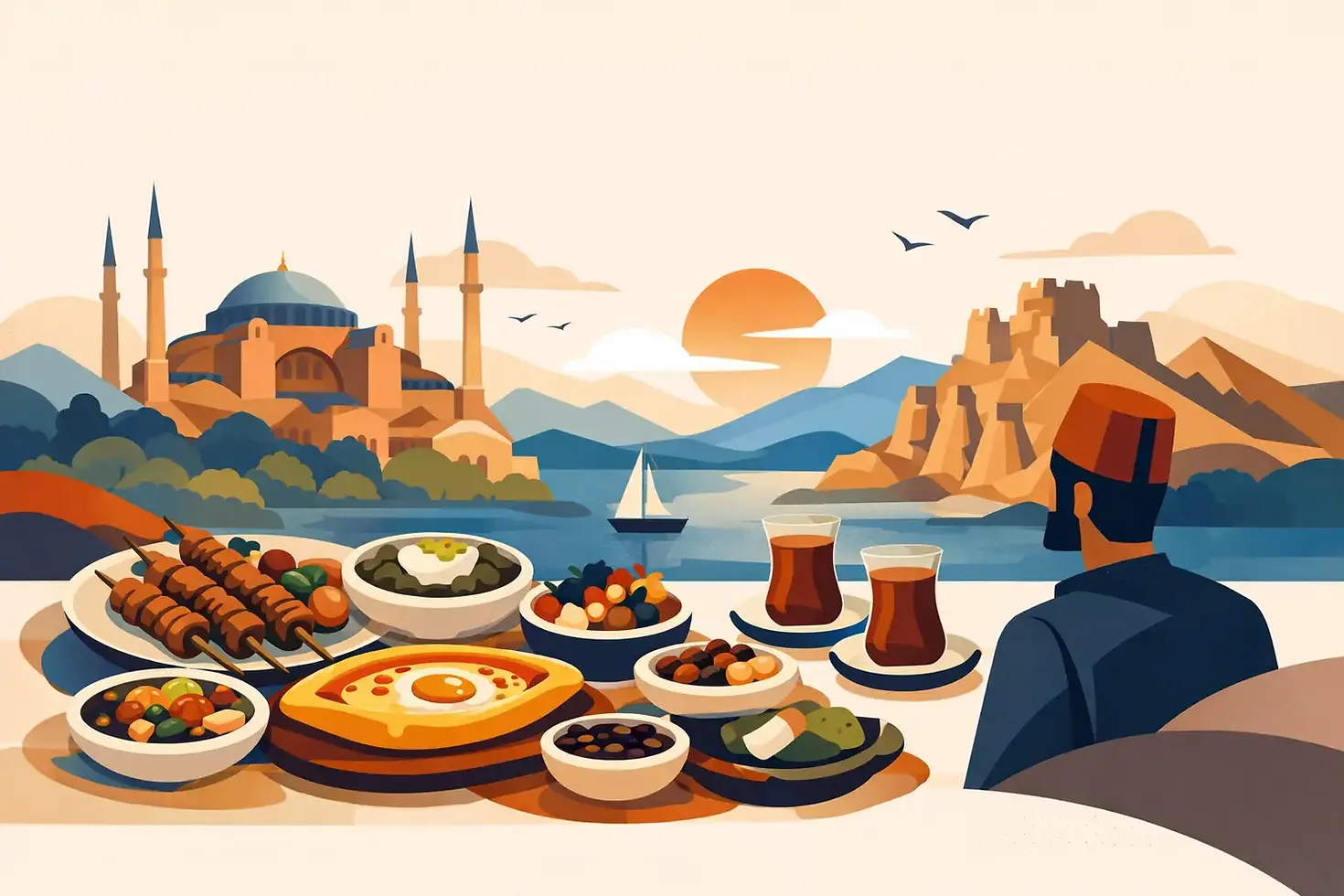
You can taste Anatolia before anyone explains it to you. It arrives in the comfort of lentils simmered slowly, in the fragrance of butter over handmade mantı, in the sharp brightness of sumac on onions, and in the quiet depth of a stew that feels older than the room around it. When people ask what is Anatolian cuisine, they are usually asking about more than food. They are asking how a table can carry geography, history, family memory, and the habits of generations all at once.
What Is Anatolian Cuisine?
Anatolian cuisine is the culinary tradition of Anatolia, the vast peninsula that makes up most of modern Turkey. But that simple definition barely begins to explain it. Anatolian cuisine is not one rigid style with one list of dishes. It is a layered food culture shaped by villages, trade routes, migrations, seasonal cooking, faith traditions, imperial influence, and the practical wisdom of home kitchens.
What makes it distinct is its breadth. In one culinary landscape, you find olive oil dishes from the west, grain-based cooking from the central plateau, rich meat traditions in the southeast, Black Sea anchovy culture in the north, and herb-driven, produce-led cooking near the Aegean. Anatolian cuisine is, in many ways, the story of many regions learning to speak to each other through the table.
That is why it can feel both humble and grand. A bowl of tarhana soup and a carefully prepared lamb dish belong to the same world. So do stuffed vegetables, slow-cooked legumes, village breads, yogurt-based sauces, kebabs, pilafs, and syrup-soaked desserts. The cuisine honors abundance, but it also respects restraint. It knows how to make a feast from very little and how to turn hospitality into ceremony.
Why Anatolian Cuisine Feels So Deeply Rooted
Some cuisines are defined by a few famous exports. Anatolian cuisine works differently. Its strength comes from continuity. Many dishes are still prepared with methods that were shaped by climate, harvest cycles, and domestic life rather than by restaurant trends.
This is part of its emotional power. The food often feels intimate because it developed around the realities of everyday living - preserving summer vegetables for winter, stretching grains and pulses into nourishing meals, using yogurt for richness and balance, baking bread as a household rhythm rather than a novelty. Even festive dishes carry that sense of inheritance.
For culturally curious diners, this is where the beauty lies. Anatolian food is not only regional. It is remembered. Recipes are passed through hands, not just written down. A filling is adjusted by feel. Dough is judged by touch. A dish is considered complete not when it looks perfect, but when it tastes like it belongs.
Geography Is the First Ingredient
To understand what is Anatolian cuisine, it helps to begin with the land itself. Anatolia contains coastlines, mountains, plains, and dry interior regions, and each one leaves a clear mark on the plate.
In the Aegean and western parts of Turkey, the food often leans greener and lighter. Olive oil, wild herbs, artichokes, beans, and fresh vegetables shape daily cooking. In Central Anatolia, you see a stronger reliance on wheat, dough, bulgur, and hearty preparations that answer colder winters and a more continental climate. Eastern and southeastern regions bring spice, grilled meats, rich stews, and dishes with deeper heat and intensity. Along the Black Sea, corn, anchovies, greens, and dairy become central.
This regional range is one reason simple definitions fall short. There is no single flavor profile that explains all of Anatolian cuisine. Some dishes are delicate and herbaceous, others smoky and bold, others earthy and sustaining. The common thread is not sameness. It is a shared respect for ingredient, region, and occasion.
The Building Blocks of the Table
Certain ingredients appear again and again because they speak the language of Anatolian cooking so well. Wheat is one of them, whether it becomes bread, bulgur, noodles, dumplings, or pastry. Yogurt is another - cooling, tangy, and endlessly versatile. Legumes such as lentils and chickpeas provide comfort and substance. Eggplant, tomatoes, peppers, onions, and garlic form the backbone of many cooked dishes. Lamb and beef appear often, though not always in heavy ways.
Spices and seasonings matter too, but Anatolian cuisine is not only about heat. Sumac brings acidity, mint adds lift, red pepper contributes warmth, cumin deepens savory notes, and butter or olive oil carries flavor through a dish. There is a generosity to this cooking, but it is usually balanced. Richness is often met with yogurt. Meat is offset by grain or vegetable. Sharpness is softened by slow cooking.
Bread also deserves special attention. It is not merely a side item. It is a companion, a utensil, and part of the social rhythm of eating. To break bread in this tradition is to participate in a kind of quiet belonging.
Home Cooking, Celebration, and Shared Plates
One of the most defining qualities of Anatolian cuisine is that it moves easily between everyday life and special occasions. The same culinary culture that gives you simple soups and stewed beans also gives you elaborate holiday tables, carefully folded pastries, and ceremonial dishes prepared for guests.
That flexibility matters. Some foods are made for family weekdays, others for long breakfasts, weddings, religious holidays, or crowded evening meals where everyone reaches into the center of the table. Shared dining is not an extra feature here. It is built into the spirit of the cuisine.
This is also why the food often feels warm in a way that goes beyond taste. Anatolian cuisine carries the etiquette of welcome. A guest is fed generously. A table is rarely arranged with strict minimalism. Dishes arrive to be passed, discussed, compared, remembered. Her tabakta bir hikaye, her lokmada bir kültürdür - in this tradition, every plate really can hold a story.
Is Anatolian Cuisine the Same as Turkish Cuisine?
Not exactly, though the two are closely connected. Turkish cuisine is the broader category most people recognize internationally. Anatolian cuisine sits within that world, but it points more specifically to the food traditions rooted in the regions of Anatolia and the lived histories tied to them.
There is overlap, of course. Many dishes commonly called Turkish are Anatolian in origin or character. At the same time, Turkish cuisine also reflects Ottoman palace traditions, urban dining cultures, and influences from former imperial geographies beyond Anatolia itself. So when someone asks what is Anatolian cuisine, the best answer is that it is one of the deepest foundations of Turkish food culture - regional, historical, domestic, and enduring.
Signature Dishes That Help Tell the Story
You do not need a textbook to begin understanding this cuisine. A few dishes can open the door. Mantı shows the Anatolian gift for transforming dough, yogurt, and sauce into something both comforting and intricate. Lentil soup speaks to the importance of humble ingredients treated with care. Stuffed vegetables reveal the patience and balance that define much of the cuisine. Kebabs, when prepared in regional styles, show how varied meat traditions can be across Anatolia.
Then there are dishes like gözleme, börek, kuru fasulye, içli köfte, imam bayıldı, keşkek, and regional pilafs. Some are rustic, some celebratory, some associated with a particular town or season. Together, they show that Anatolian cuisine is not built around spectacle. It is built around continuity, texture, aroma, and a strong sense of place.
Desserts follow the same principle. Yes, there is drama in syrup and pastry, but there is also tenderness in milk desserts, semolina-based sweets, and fruit preserved with care. Sweetness, like everything else in Anatolian cuisine, often comes tied to memory.
Why It Still Resonates Now
Modern diners often look for food that feels real, local, and connected to something larger than trend. Anatolian cuisine answers that desire naturally. It offers pleasure, but also context. It can be elegant without losing sincerity. It can be deeply traditional and still feel current because its values - seasonality, sharing, craft, and hospitality - never really go out of date.
That is part of why it continues to speak so strongly to both locals and travelers in Istanbul. In the right setting, a meal rooted in Anatolian traditions does more than satisfy appetite. It creates a bridge between visitor and place, between present taste and inherited culture. At Dafne Cafe & Kitchen, that idea lives close to the heart of the table.
If you are still wondering what is Anatolian cuisine, the simplest answer may be this: it is food that remembers where it comes from, and invites you to remember something too, even if it is your first time tasting it.
Yorumlar