
Why Shared Dining Turkish Food Feels Different
A table set for shared dining Turkish food rarely stays still for long. A basket of warm bread lands first. Small plates begin to gather. Someone reaches for ezme, another spoons yogurt over a dish at the center, and before the main course even arrives, the table has already started doing what Turkish hospitality does best - turning strangers, friends, and family into one conversation.
That feeling is not accidental. In Turkish food culture, sharing is not a trend or a restaurant format borrowed from somewhere else. It is a natural way of eating, hosting, and showing care. The table is built to be generous. Plates are meant to move. Meals stretch with tea, stories, and second helpings. Her Tabakta Bir Hikaye, Her Lokmada Bir Kültürdür is not just a beautiful idea. It is exactly how a shared Turkish table lives.
What shared dining Turkish food really means
When people hear shared dining, they often picture a modern restaurant concept - a few plates for the table, maybe a more social way to order. Turkish food carries something deeper. Shared dining Turkish food is rooted in the home, the family table, the neighborhood restaurant, and the long rhythm of gathering. It values abundance, but not for spectacle alone. The abundance is emotional. It says you are welcome here, there is enough for everyone, stay a little longer.
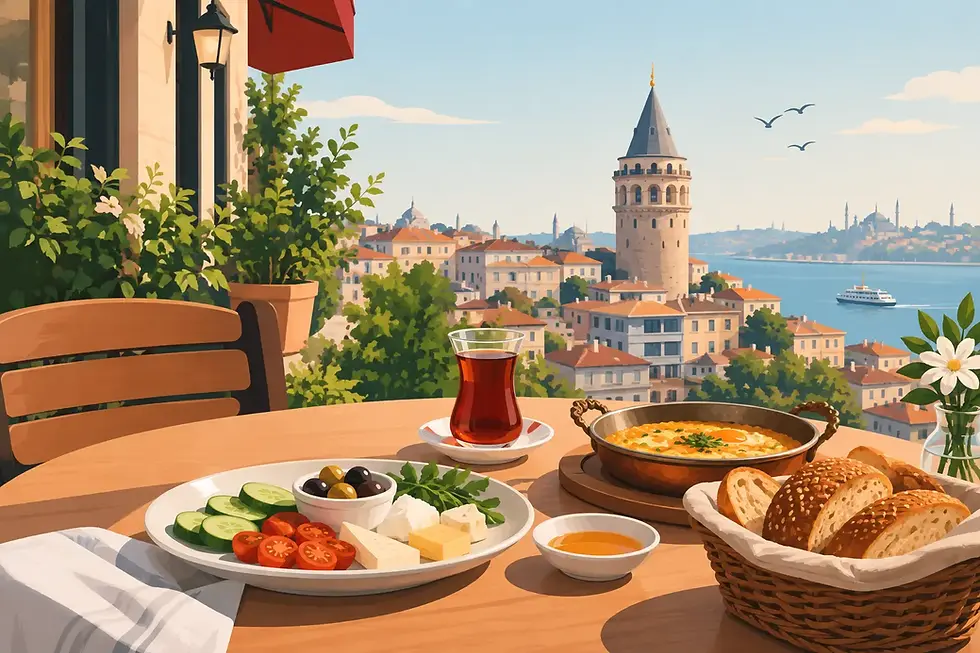
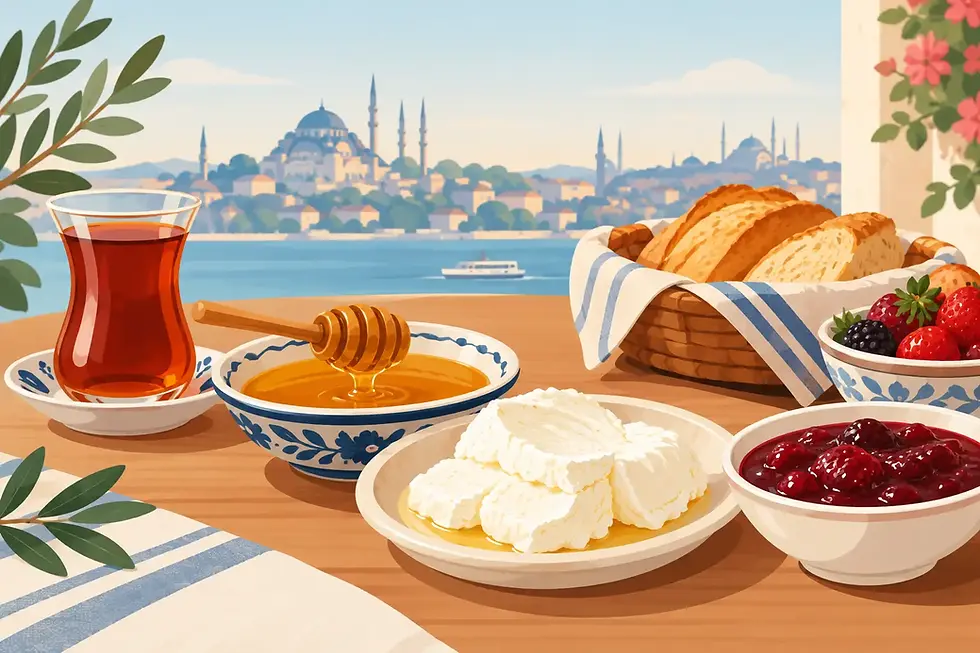
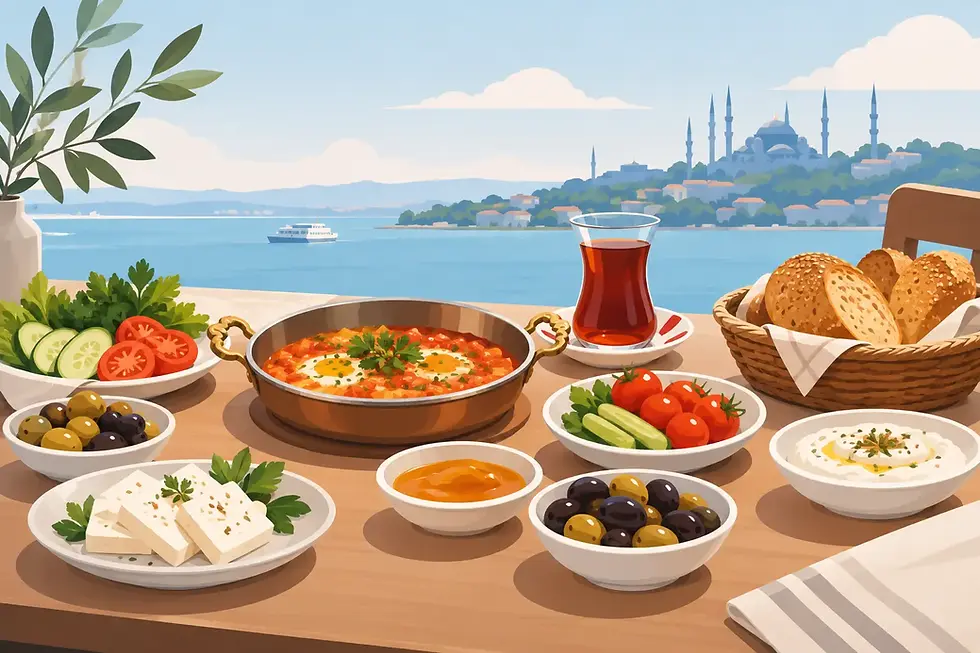
This is why Turkish meals often feel larger than the menu itself. A breakfast spread arrives with cheeses, olives, tomatoes, cucumbers, jams, honey, eggs, breads, and hot tea, and suddenly breakfast is no longer a single plate. It becomes a shared landscape of taste and memory. The same happens at lunch and dinner, whether the table begins with mezze, moves toward handmade mantı, or centers on dishes drawn from Anatolian and Ottoman traditions.
Why sharing suits Turkish cuisine so naturally
Turkish cuisine is especially suited to shared eating because of how it is structured. Many dishes are built for the middle of the table. Mezze, roasted vegetables, yogurt-based plates, salads, pilafs, breads, and grills all invite tasting across the group rather than strict individual ordering. This creates a meal with rhythm. You do not move from one isolated plate to another. You build the experience bite by bite.
There is also a balance in Turkish food that makes sharing rewarding. A bright, spicy spread next to cool strained yogurt. Soft bread against crisp vegetables. Slow-cooked richness lifted by herbs, citrus, or pickled notes. When a table shares, these contrasts become more visible and more pleasurable. One person may return to the comforting simplicity of rice and stew, while another leans toward sharper, brighter flavors. The table accommodates both.
That flexibility matters for mixed groups, especially in a city like Istanbul where locals, expats, and travelers often dine together. Shared plates remove some of the pressure of choosing one "right" dish. Instead, the meal can reflect curiosity. You try the familiar and the unfamiliar side by side.
The emotional center of the Turkish table
What makes Turkish shared dining memorable is not only variety. It is the feeling of being looked after. There is a specific warmth in being urged to taste one more thing, in hearing someone say, try this with bread, or mix these two together. A Turkish table often carries the spirit of family even when no one is related.
That spirit comes from a long-standing culture of hospitality. Food is a form of welcome, but also of dignity and care. Serving generously tells guests they matter. Refilling tea says the conversation should continue. Offering the best bite to someone else is a small act, but it carries real meaning.
This is why an aile lokantası still holds such emotional power. It is not just a place to eat home-style dishes. It is a place where food feels personal. For many diners, especially visitors to Istanbul, that atmosphere becomes the part they remember most. Not simply what they ate, but how the table made them feel.
Shared dining Turkish food at breakfast
Turkish breakfast may be the clearest example of why sharing matters. A proper breakfast table is not rushed, and it is never just fuel for the morning. It is color, texture, ritual, and time. You tear bread, spread jam, dip into honey and kaymak, break into eggs, and pour tea again. No single plate can hold the whole story.
For couples and groups, breakfast sharing creates an easy intimacy. There is no formality to it. You reach, pass, taste, and compare favorites. Some people build perfect bites from cheese, tomato, and olive oil. Others return to warm pastries or eggs. Everyone eats differently, yet everyone is part of the same experience.
That makes Turkish breakfast especially appealing for travelers and city diners who want more than a quick stop. It offers something increasingly rare - a meal that invites you to stay present. In a neighborhood like Cihangir, where mornings can unfold slowly and views, conversation, and atmosphere matter as much as the food, that style of dining feels exactly right.
From mezze to mantı - how the meal unfolds
At lunch or dinner, the pleasure of sharing often begins with mezze. These opening plates are more than appetizers. They set the mood and broaden the table. A smoky eggplant dish, a bright herb salad, a walnut-accented spread, or a tomato-based mezze with heat and depth can create a full conversation before the main dishes even appear.
Then come the dishes that bring weight and comfort. Handmade mantı is a strong example because it carries both craft and memory. It is a dish that often feels personal, the kind of food associated with care, patience, and home kitchens. Shared at the table, it becomes more than a bowl of dumplings. It becomes a point of connection between tradition and the present moment.
Ottoman-inspired dishes and regional Anatolian cooking also lend themselves beautifully to family-style dining. They tend to hold layers of spice, texture, and history that reward slow eating. You notice more when you are not racing through a plate alone. You compare, ask questions, and begin to understand the cuisine through the table rather than through a single order.
The modern appeal of sharing
There is a reason shared dining continues to resonate with younger urban diners and culturally curious travelers. Yes, it is social and visually inviting. Yes, it photographs beautifully. But its real appeal is that it feels human in a way many meals do not.
People are increasingly drawn to dining experiences with identity. They want restaurants with a sense of place, food with context, and moments that feel worth leaving home for. Shared Turkish dining answers that desire naturally because the format is already part of the culture. It does not need to be staged into authenticity.
Still, there are trade-offs. Shared meals are ideal for relaxed gatherings, celebrations, and lingering conversation, but they may not suit every mood. If someone wants speed, privacy, or a highly specific personal order, family-style service can feel less direct. The beauty of Turkish dining is that it can hold both styles. Some meals are centered on a generous table. Others are quieter and more individual. It depends on the occasion.
A restaurant experience with a sense of story
When shared dining is done well in a restaurant, guests feel both comfortable and slightly transported. The setting matters, the pacing matters, and so does the curation of the menu. A well-built table should feel abundant without becoming chaotic. It should honor tradition without making it feel frozen in time.
That is where a place like Dafne Cafe & Kitchen finds its voice. The experience is not only about serving beloved Turkish dishes, but about presenting them with the warmth of a family table and the confidence of a thoughtfully modern Istanbul restaurant. For diners who want food with heritage, beauty, and atmosphere in one place, that balance matters.
Shared dining Turkish food reminds us that a meal can still be generous in the deepest sense of the word. Not oversized, not performative - generous with flavor, with time, with memory, and with welcome. If you choose the right table, you leave with more than a favorite dish. You leave with the feeling that, for a little while, you belonged there.
Yorumlar