
SERPMe Breakfast Menu Examples That Work
A great Turkish breakfast is recognized before the first bite. The table arrives full, the colors speak first, and everyone leans in at once. That is why looking at serpme breakfast menu examples is not just useful for restaurateurs or curious diners - it reveals how a meal becomes a ritual of sharing, abundance, and memory.
Serpme breakfast is not a plate. It is a spread, and that distinction matters. A plate serves the individual. A serpme breakfast serves the table, the conversation, and the slow rhythm of a morning that deserves more than a rushed cup of coffee. For guests who seek a true Istanbul breakfast experience, the appeal is rarely just quantity. It is the feeling of being welcomed with generosity.
What makes serpme breakfast menu examples feel authentic
The best serpme breakfast menu examples understand that abundance without balance can feel messy. A good spread is generous, but it is also composed. Each item should have a role on the table - creamy, salty, fresh, sweet, crisp, rich, and comforting.
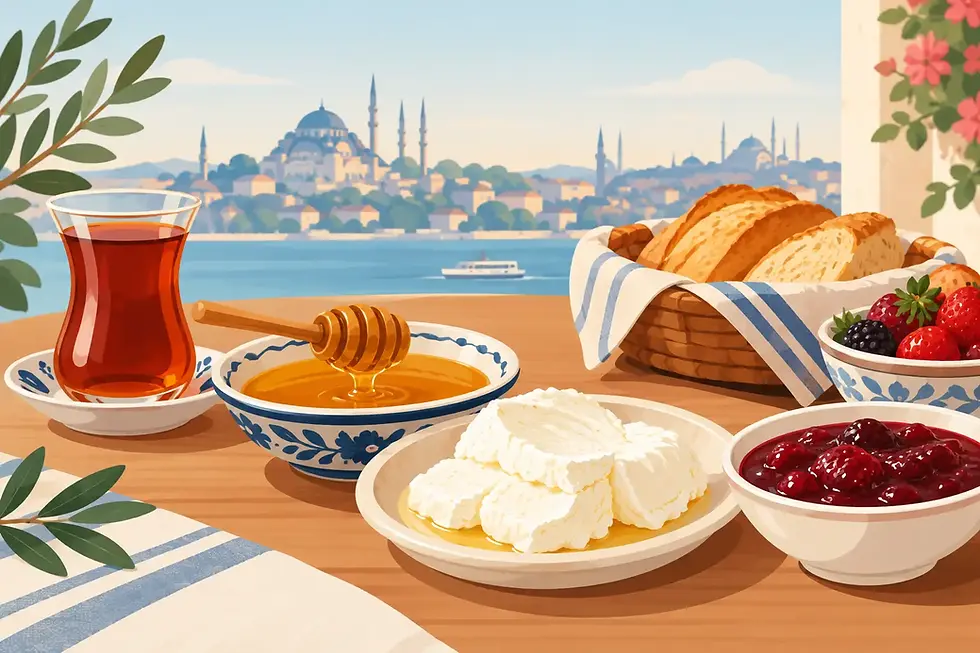
At its heart, an authentic serpme breakfast usually begins with core staples: cheeses, olives, tomatoes, cucumbers, jams, honey, butter, eggs, bread, and tea. Yet the table becomes memorable through the details. Maybe there is spicy tomato ezme beside the white cheese, maybe tahini and molasses add depth to the sweet side, maybe a warm pastry arrives just as the first tea is poured. These small decisions shape the story of the meal.
There is also a regional truth to Turkish breakfast. Not every table should look the same. An Aegean-inspired spread may feel lighter and greener, with herbs and olive oil leading the mood. An Anatolian table may lean warmer and heartier, with cooked dishes, village butter, and deeper savory notes. The strongest menus respect this rather than trying to be everything at once.
5 serpme breakfast menu examples for a richer table
1. The classic village-style serpme breakfast
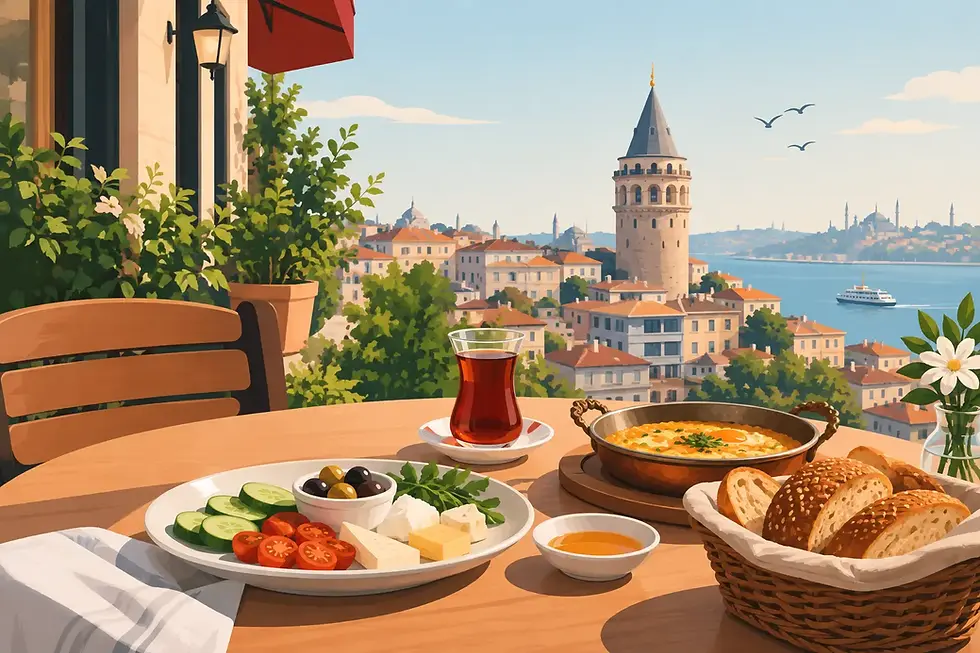
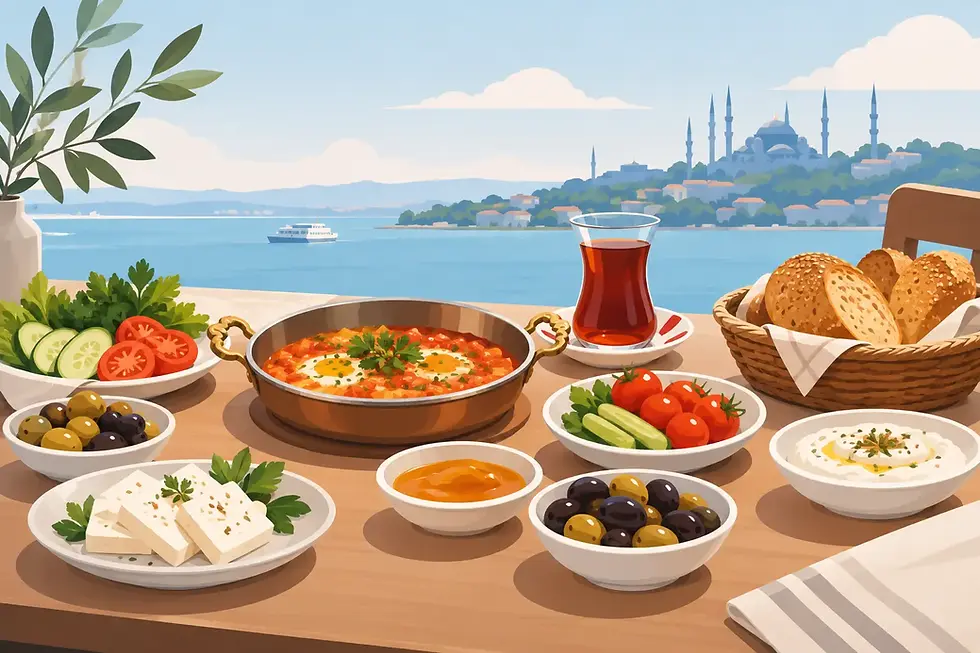
This is the version most people imagine first, and for good reason. It creates comfort instantly. A village-style spread typically includes white cheese, kasar cheese, black and green olives, sliced tomatoes and cucumbers, butter, honey, assorted jams, boiled eggs or menemen, bread baskets, and unlimited tea.
What makes this work is familiarity. Nearly every guest can find an entry point. The trade-off is that a basic version can feel forgettable if the ingredient quality is average. Fresh bread, fragrant tomatoes, well-brined olives, and real flower honey matter more here than decorative extras.
2. The regional Anatolian breakfast table
This example carries more depth and often more character. Alongside the breakfast essentials, the menu may include sujuk with eggs, local cheeses, roasted peppers, acuka, tahini with molasses, gözleme, and house-made pastries. The table feels warmer, more layered, and often more satisfying for long brunches.
This style suits diners who want breakfast to feel like a proper meal. It tells a stronger story, especially for travelers and culturally curious guests. The only caution is heaviness. If every item is rich, the table can lose its rhythm. A few bright and fresh elements keep it alive.
3. The refined urban cafe serpme breakfast
This approach is common in places where presentation matters as much as flavor. The menu keeps the soul of Turkish breakfast but edits it with intention. You might see three carefully chosen cheeses instead of five, a house jam instead of a generic assortment, a beautifully plated menemen, fresh simit, seasonal fruit, and elegant small bowls for every spread.
This style photographs well and appeals to modern city diners. It feels curated, not crowded. Still, editing too much can weaken the emotional pleasure people expect from serpme breakfast. Guests should feel generosity, not restraint disguised as design.
4. The mixed cultural breakfast spread
Some of the most interesting tables blend Turkish tradition with subtle global touches. Think traditional cheeses and olives beside avocado, granola with strained yogurt, smoked salmon, or a well-made bowl of seasonal fruit. This can work beautifully in neighborhoods that welcome travelers, expats, and guests who enjoy both familiarity and surprise.
The key word is subtle. A mixed breakfast spread should still feel rooted. When international items overpower the Turkish character, the table loses identity. Done well, though, it reflects the living, evolving culture of a city like Istanbul, where old and new sit comfortably side by side.
5. The signature house serpme breakfast
This is often the most memorable option because it belongs to one kitchen and one point of view. A signature house spread may include family recipes, Ottoman-inspired preserves, handmade börek, special herb blends, or a house version of a regional dip. It gives guests a reason to remember not only the meal, but the place itself.
For a brand with a strong culinary identity, this is often the smartest direction. It turns breakfast from a category into an experience. At Dafne Cafe & Kitchen, for example, the most meaningful table would not chase trends for their own sake. It would let heritage, warmth, and presentation sit together naturally - her tabakta bir hikaye, her lokmada bir kültürdür.
How to build a serpme breakfast menu that people talk about
A strong menu begins with contrast. Soft cheese wants crisp cucumber. Rich kaymak needs honey or jam to sing. Eggs need bread nearby, and fried or baked items need fresh vegetables to keep the table from feeling too heavy. This is less about filling space and more about creating movement across the meal.
Portioning matters just as much. One common mistake in serpme breakfast menu examples is excess in the wrong places. Too much bread and fried food can make a table look full but feel cheap. Too many tiny bowls with very little inside can make a premium breakfast feel stingy. Guests notice both.
Pricing also needs honesty. A serpme breakfast is often chosen for celebration, slow weekends, or hosting friends from out of town. People expect value, but value does not always mean the biggest possible spread. It means enough variety, enough quality, and enough care to justify the experience. If the ingredients are special, the service is attentive, and the table feels generous, guests will usually understand the difference.
Presentation should support the mood, not perform for it. Copper pans, ceramic bowls, wooden boards, and baskets of warm bread can all add beauty, but they should never make the table harder to share. Serpme breakfast is communal by nature. The design has to invite hands to reach in comfortably.
What guests actually remember from serpme breakfast
They remember the smell of warm bread arriving late enough to still feel fresh. They remember the shine of olive oil, the color of tomato, the first spoon of honey, and the way tea keeps being poured almost without asking. They also remember whether the spread felt thoughtful or generic.
This is why the best breakfast menus are built on emotion as much as variety. A guest may forget exactly how many small bowls were on the table, but they will remember whether the breakfast felt abundant, rooted, and worth lingering over. They will remember whether it felt like hospitality.
For restaurant owners, this creates an important tension. You want efficiency in the kitchen and consistency on the floor, but serpme breakfast should never feel mechanical. The answer is not endless complexity. It is choosing a menu structure that can be repeated well, then elevating it through freshness, timing, and care.
Why the best serpme breakfast menu examples avoid doing too much
More items do not automatically create a better breakfast. In fact, too many competing flavors can flatten the experience. A strong spread has a center of gravity. Maybe it is exceptional cheese, maybe it is a standout menemen, maybe it is a signature pastry or preserve. The surrounding elements should support that center, not distract from it.
There is also a practical side. Tables need space. Food should arrive at the right temperature. Refills should feel graceful rather than chaotic. A well-designed breakfast menu respects the guest, the service team, and the pace of the room.
For diners, the best choice is often the serpme breakfast that feels specific. Not the largest. Not the most decorated. The one that knows what kind of story it wants to tell and tells it clearly through taste, texture, and welcome.
A beautiful breakfast table should leave room for conversation, second cups of tea, and that brief quiet that happens when everyone takes the first bite at once. That is when breakfast becomes more than a menu format. It becomes the kind of memory people return for.
Yorumlar