
A Guide to Regional Turkish Cheeses in Turkey
A Turkish breakfast table can tell you where it comes from before anyone says a word. A crumbly white cheese beside ripe tomatoes speaks of the Aegean. A tangled braid of string cheese hints at high eastern pastures. A deep-yellow slice of aged cheese carries the cool, grassy air of Kars. This guide to regional Turkish cheeses is an invitation to taste those places slowly, with good bread, strong tea, and the people gathered around the table.
Cheese in Türkiye is not one category with a few familiar names. It is a living record of climate, pasture, milk, preservation, and family practice. Some cheeses are made to be eaten young and bright at breakfast; others are salted, pressed, smoked, or aged until they become rich enough to ask for a slower meal.
A Guide to Regional Turkish Cheeses, One Table at a Time
The most useful way to understand Turkish cheese is to begin with its landscape. Coastal regions often favor brined cheeses that feel fresh and clean against olives and vegetables. Mountain regions produce firmer, more aromatic cheeses from sheep and cow milk, shaped by short grazing seasons and the need to preserve milk for winter.
Names can be helpful, but they are not always a guarantee of one fixed flavor. A cheese called tulum, for example, describes a tradition of aging as much as it describes a single recipe. The milk, salt level, aging time, and individual producer can change the result dramatically. That variation is not a flaw. It is part of the pleasure.
The Aegean and Northwest: Brine, Breakfast, and Ezine
For many diners, beyaz peynir is the essential Turkish table cheese. Its name simply means white cheese, but its personality ranges from mild and milky to firm, salty, and tangy. It is often made from sheep, goat, cow milk, or a blend, then held in brine to preserve its delicate, crumbly body.
Ezine peyniri, from the north Aegean around Çanakkale, is among the country’s most treasured versions. Traditionally made with a seasonal blend of sheep, goat, and cow milk, it has a supple texture and a balanced, savory saltiness. The region’s herbs and coastal air are often credited for its distinctive character, though the skill of the cheesemaker matters just as much.
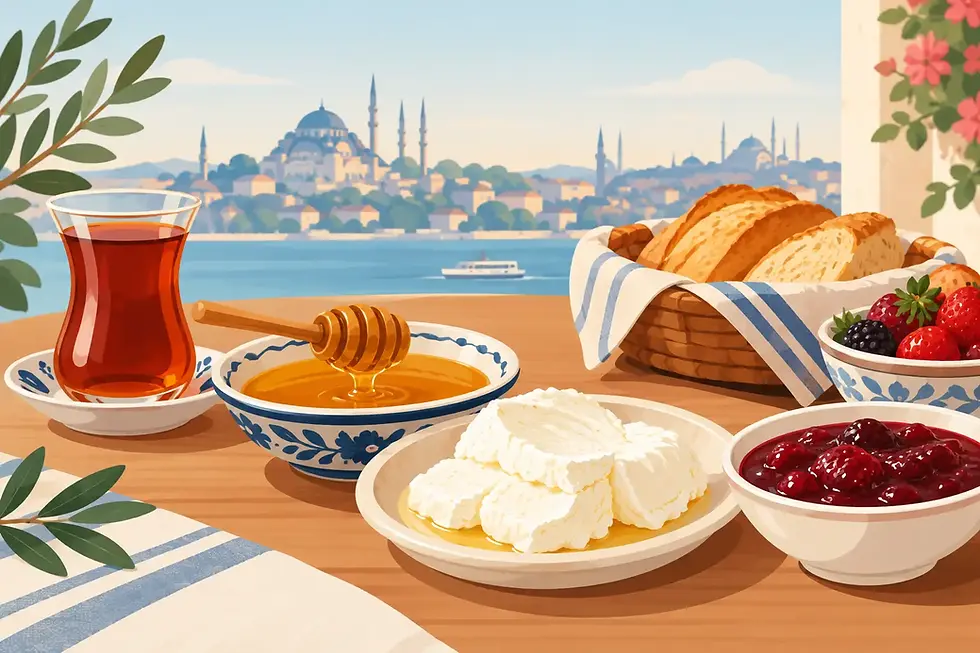
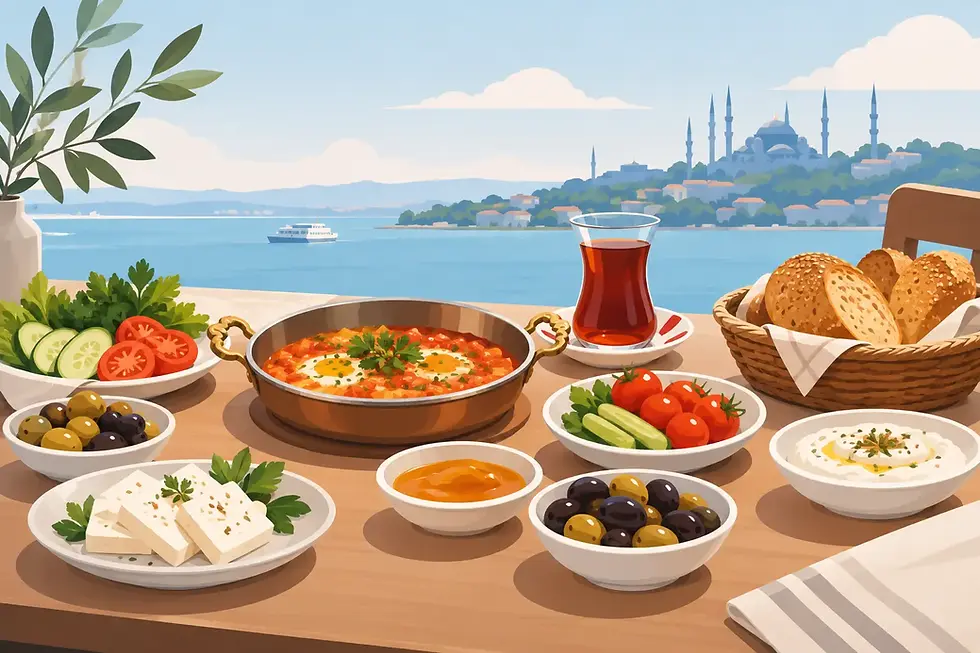
Serve a good white cheese cool but not icy, so its aroma can open up. Fresh bread, cucumber, tomato, black olives, and a little fruit preserve make its saltiness feel generous rather than sharp. At breakfast, this is the cheese that brings every other small plate into conversation.
Eastern Anatolia: Wild Herbs and High-Pasture Milk
Van otlu peyniri is one of Türkiye’s most memorable cheeses because it carries herbs inside it. Made primarily with sheep milk, it is mixed with local wild plants that may include sirmo, mendo, or other herbs gathered according to season and village custom. The result is salty, fragrant, and wonderfully assertive, with flashes of onion, meadow grass, and earth.
This is not always a cheese for a timid first bite. Its herbal intensity can surprise those accustomed to mild breakfast cheeses. Pair it with warm flatbread, walnuts, and honey, or let it stand against a strong black tea. The contrast of salt, sweetness, and tannin is deeply satisfying.
Erzurum also offers civil peyniri, a light, fibrous cheese pulled into fine strands. It may look delicate, but it has a pleasant dairy richness and an easy, pull-apart texture. Along with çeçil, another string-like cheese found across eastern regions, it reflects a practical craft: stretching curds into forms that can be shared, stored, and enjoyed by hand.
Kars: Aged Cheese with a Winter Story
The grasslands around Kars have long supported cattle farming, and the region is celebrated for its aged cheeses. Kars kaşarı is firm, buttery, and more complex than the softer fresh kaşar often melted into sandwiches or gözleme. With time, it develops nutty notes and a dense, sliceable texture that makes it especially good with crusty bread.
Kars gravyer is even more dramatic. Influenced by Alpine cheesemaking traditions, this large-wheel cheese is aged until it becomes savory, sweet, and faintly fruity, sometimes with the small eyes associated with Swiss-style cheeses. It belongs on a cheese board, certainly, but it is equally at home shaved over eggs or served after dinner with fruit.
Age is the trade-off here. Younger kaşar is mild, elastic, and easygoing. Older Kars cheeses are more aromatic, saltier in perception, and more expensive because time, milk, and careful storage are built into every bite. If you are choosing for a mixed table, serve both: fresh kaşar for comfort and aged kaşar for depth.
Central Anatolia: Tulum, Caves, and Concentrated Flavor
Tulum cheese is one of the great families of Turkish cheese. The word refers to a traditional method in which cheese is matured in a goatskin bag, though contemporary producers may use other containers. It is usually made with sheep or goat milk and develops a crumbly body, a vivid tang, and a lingering, rustic aroma.
Erzincan tulumu is a beloved example, often pale, firm, and bright with sheep milk character. It is excellent crumbled over a salad, tucked into a sandwich, or served with grapes and walnuts. Its flavor is full, but a well-made version should not feel aggressively salty or bitter.
In Karaman’s Ayrancı area, Divle Obruk cheese takes the idea of aging one step further. It matures in a natural cave, where humidity and local microbial conditions shape its distinctive rind and earthy flavor. It is a cheese to taste in small pieces. Let it warm for a few minutes, then notice how its savory depth builds rather than arrives all at once.
Marmara and the South: Golden, Stretchy, and Made for Heat
Mihaliç peyniri, associated with the Marmara region, is a firm sheep-milk cheese with a salty, buttery profile and small holes throughout. It can be eaten in slices, grated over savory pastries, or paired with melon when the weather is warm. Its pleasingly sharp edge makes it a fine bridge between breakfast cheese and cooking cheese.
Further south, especially around the Mediterranean, fresh cheeses made for melting and stretching take on a larger role. Kolot peyniri from the Black Sea is often used in kuymak or mıhlama, the celebrated cornmeal-and-cheese dish whose texture should be molten, elastic, and shared immediately. Here, cheese is not a side plate. It is the center of a communal ritual, pulled from the pan while it is still hot.
How to Taste Turkish Cheese with More Attention
Start with the mildest cheese and move toward the saltiest or most aged. White cheese, fresh kaşar, string cheese, tulum, and aged Kars cheeses make a sensible progression, though no rule matters more than your own palate. Take a small bite first without accompaniment. Then add bread, olives, fruit, honey, or jam and see what changes.
Temperature matters. Cheese taken straight from the refrigerator can seem muted and overly firm. Give aged cheeses 20 to 30 minutes at room temperature, while keeping delicate brined cheeses cool enough to retain their shape. If a cheese tastes too salty, do not dismiss it immediately. Try it with unsalted bread, tomato, or a spoonful of honey before deciding.
At Dafne Cafe & Kitchen in Cihangir, a generous breakfast spread is a reminder that the best pairings are often the simplest ones: bread torn by hand, tea poured without hurry, and several people reaching for the same plate.
What to Bring Home from a Turkish Cheese Counter
Ask what milk was used, how long the cheese has aged, and whether it is meant for breakfast, cooking, or a cheese plate. Those three questions reveal more than a label alone. For travel, vacuum-packed aged kaşar, mihaliç, and firm tulum generally handle the journey more easily than soft brined cheeses, but customs rules at your destination should always guide your choice.
Avoid buying solely by color. A very yellow cheese may be naturally rich in milk fat, but color can also reflect season or production choices. Instead, look for a clean aroma, a texture appropriate to the style, and a seller who can speak clearly about origin and storage. Regional cheese deserves that little moment of care.
The next time a breakfast plate arrives with several cheeses, resist the urge to treat them as decoration. Break the bread, pour the tea, and taste each one as a small geography of Türkiye. Somewhere in the salt, herbs, grass, and patient aging, there is a table waiting to be remembered.

Yorumlar