
What Makes Turkish Breakfast Special?
A Turkish breakfast does not arrive as a single plate that disappears in ten minutes. It lands on the table in stages, with small dishes, warm bread, glasses of tea, and the quiet feeling that nobody is expected to rush. If you have ever wondered what makes Turkish breakfast special, the answer begins there - not with one famous item, but with the way the whole table invites people to stay.
This is a meal built around conversation as much as appetite. It is generous without being showy, abundant without feeling heavy when done well, and deeply tied to the idea that breakfast can set the emotional tone for the day. In Turkey, breakfast is rarely just fuel. It is hospitality, memory, and local identity served side by side.
What Makes Turkish Breakfast Special at the Table
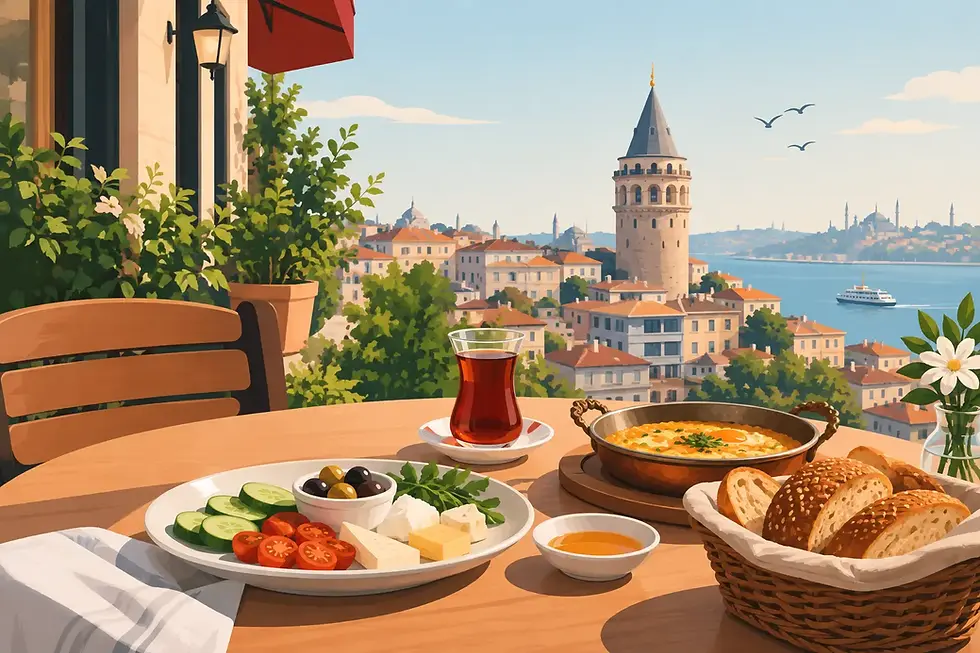
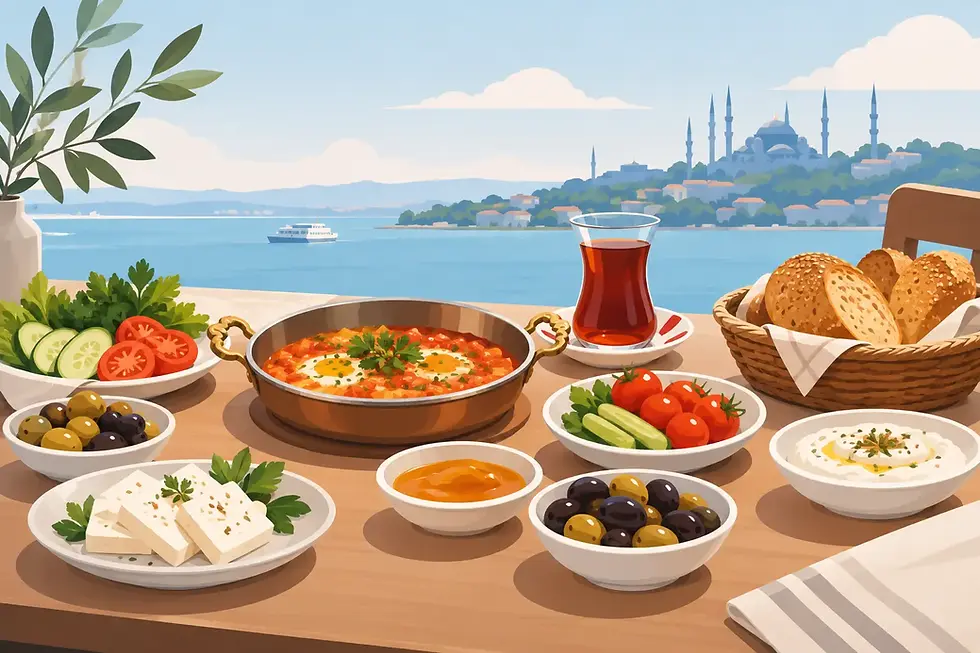
The first surprise for many visitors is the variety. Instead of one composed dish, a Turkish breakfast often includes a spread of cheeses, olives, tomatoes, cucumbers, jams, honey, butter, eggs, bread, and pastries or baked items depending on the region and the house. Each small plate seems simple on its own. Together, they create rhythm.
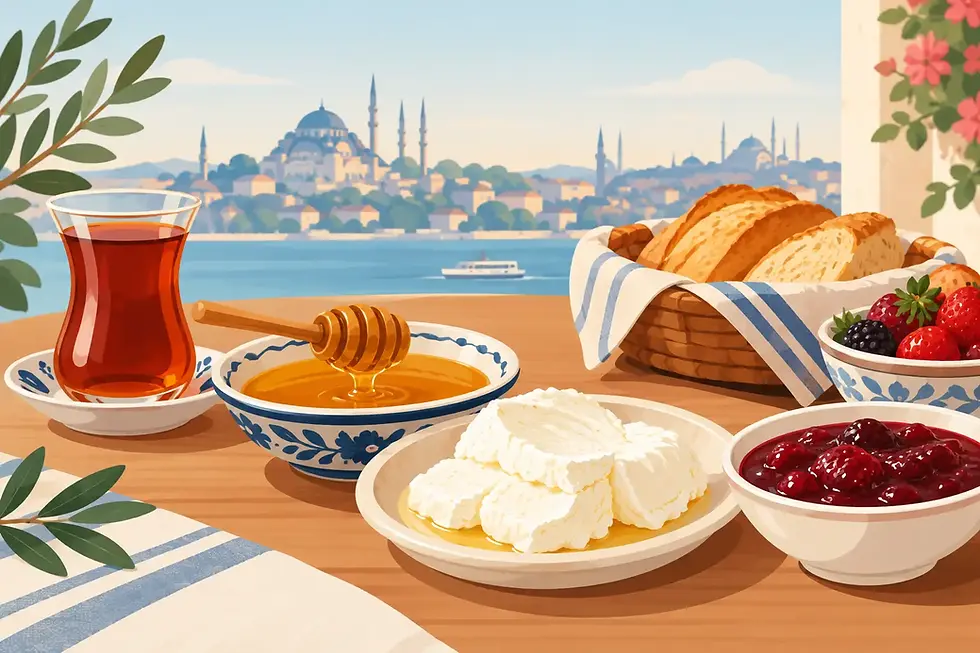
That rhythm matters. A bite of salty white cheese leads into sweet jam. A slice of cucumber cools the palate after spicy sucuk cooked with eggs. Fresh bread carries honey in one moment and olive paste in the next. Tea keeps returning, not as decoration but as a steady companion to the meal. The beauty of the experience is in contrast - soft and crisp, rich and bright, savory and sweet.
This is one reason Turkish breakfast feels more intimate than performative. It does not rely on excess for effect. It relies on balance, repetition, and care.
A Breakfast of Regions, Not Just Recipes
Turkish breakfast is often talked about as if it were one fixed tradition, but that is only part of the story. What appears on the table changes by region, season, family background, and even neighborhood. That flexibility is part of its charm.
In the Aegean, breakfast may lean toward herbs, lighter cheeses, olive oil, and vegetables that taste like morning sun. In eastern and southeastern traditions, stronger flavors appear - spicy spreads, richer dairy, honey, clotted cream, and substantial breads. Black Sea tables may feature corn bread, local butter, or anchovy-based specialties. Central Anatolia brings its own baking traditions and grain-forward comfort.
So when people ask what makes Turkish breakfast special, a fuller answer is this: it carries the geography of the country. The table reflects trade routes, village habits, migration, seasonal produce, and home kitchens. It is one meal, but it speaks in many regional accents.
The Role of Freshness
Another difference is how much Turkish breakfast depends on freshness rather than heavy processing. Tomatoes should taste alive. Cucumbers should snap. Cheese should have character, not just salt. Bread should arrive warm or at least feel like it belongs to the same morning.
Even the simplest components reveal quality quickly. There is nowhere to hide a tired olive or a generic jam when the meal is built from individual parts. This is why a good Turkish breakfast can feel luxurious without being complicated. Luxury here is a ripe tomato, fragrant black tea, eggs cooked at the right moment, and honey that still tastes of flowers.
There is, of course, a trade-off. A breakfast table this ingredient-driven demands consistency and care from the kitchen. If the produce is weak or the bread is forgettable, the magic fades. Done properly, though, the meal feels honest in a way that many modern brunch plates do not.
Tea Is Not an Accessory
No serious conversation about Turkish breakfast is complete without tea. Served in tulip-shaped glasses, dark but bright, it moves through the meal almost like punctuation. Tea marks the pace. It gives people a reason to pause, refill, and keep talking.
Coffee may come later, and orange juice may appear on some tables, but tea is the emotional center. It softens salty cheeses, complements sweet preserves, and gives the table continuity. More than that, it reflects a broader Turkish instinct around hospitality: if a guest is seated, the glass should not stay empty for long.
For many travelers, this becomes one of the clearest memories. Not just the flavor of the tea itself, but the way it extends time.
Sharing Is the Point
A Turkish breakfast is one of the clearest examples of how food expresses social values. It is meant to be shared. Even when dining with only one other person, the table naturally opens into exchange. You tear bread for someone else. You slide the honey closer. You recommend the olive you liked best. You order another pot of tea because nobody is ready to leave yet.
That structure changes the mood of the meal. In many breakfast cultures, each person receives a separate plate and remains inside it. Turkish breakfast does the opposite. It creates a common space at the center of the table and asks everyone to participate.
This is where the meal becomes larger than breakfast. It begins to carry the emotional logic of the aile lokantası - family-style generosity, unforced warmth, and the idea that being well fed also means being well received.
The Pleasure of Small Dishes
There is something psychologically satisfying about a table of small dishes. It gives freedom without chaos. You can compose each bite differently. You can eat lightly or build a more indulgent plate. You can linger over one favorite item or sample everything.
That flexibility is especially appealing for modern diners who want both abundance and control. A Turkish breakfast can be leisurely and generous without forcing a single heavy main course. It accommodates different appetites and preferences naturally. Vegetarians often find plenty to love. Guests who want heartier choices can turn to eggs, pastries, or cured meats. Those who prefer lighter mornings can stay close to vegetables, fruit preserves, and cheese.
It depends, of course, on the table and the kitchen. Some breakfast spreads are traditional and restrained. Others are expansive and restaurant-driven. Neither is wrong. The best version is the one that still feels coherent, where every item belongs and the spread tells a clear story.
Why the Details Matter
Part of what makes Turkish breakfast memorable is that it rewards attention. The spoonful of cherry jam next to aged cheese. The golden edge of fried egg. The sesame scent rising from simit. The slight bitterness of olives balanced by creamy butter and warm bread. These are not random details. They are the architecture of pleasure.
A thoughtful breakfast table also reflects respect for time. Not every dish needs culinary theatrics. Sometimes the most meaningful meals are the ones that present familiar ingredients with confidence and restraint. Turkish breakfast understands this well. It does not need to impress by surprise alone. It impresses through completeness.
For culturally curious diners, that completeness is part of the appeal. The meal offers a direct encounter with Turkish daily life, but also with its deeper layers - Ottoman traces, village habits, urban cafe culture, and the enduring importance of gathering around food.
What Makes Turkish Breakfast Special for Visitors to Istanbul
In a city like Istanbul, breakfast carries an added dimension. The city itself is layered, and the breakfast table often reflects that same richness. You can feel the blend of old and new, neighborhood intimacy and cosmopolitan energy, local routine and discovery.
This is especially true in places where breakfast is treated as an experience rather than a checklist of dishes. In Cihangir, for example, the right table can feel like a meeting point between heritage and contemporary city life - polished enough for a memorable outing, warm enough to feel personal. That balance is rare, and it is one reason travelers and locals alike continue to seek out breakfast not as a quick stop, but as a destination.
At its best, a Turkish breakfast does something many meals fail to do. It makes abundance feel gentle. It gives tradition a living, everyday form. It turns simple ingredients into a shared ritual that feels both beautiful and grounded.
Maybe that is the real answer. What makes Turkish breakfast special is not only what is served, but what is created around it: a table where time slows down, generosity becomes visible, and every small bite carries a little more story than you expected. If you are choosing where to experience it, choose a place that understands that breakfast is not just a menu category - it is a way of welcoming people into culture, memory, and the day ahead.
Yorumlar