
What Makes an Anatolian Food Restaurant?
A good anatolian food restaurant does not begin with a menu. It begins with a table. Bread set down while still warm, small plates arriving in a quiet rhythm, the scent of butter, pepper, herbs, and slow-cooked meat rising before the first bite. What makes this kind of place memorable is not only what is served, but how it carries the spirit of a region where food has always meant family, land, and story.
For many diners, Anatolian cuisine is first recognized through a few familiar dishes. Maybe mantı, maybe a deeply comforting stew, maybe a breakfast spread that turns a simple morning into an occasion. But Anatolian food is far broader than a shortlist of famous plates. It is layered, regional, generous, and shaped by centuries of movement, trade, harvest, ritual, and home cooking. The best restaurants honor that depth without making it feel distant or formal.
What defines an anatolian food restaurant
Anatolia is not a single flavor profile. It stretches across a vast geography, and its cooking reflects mountains, plains, coastlines, village kitchens, city tables, and historical routes that brought spices, grains, and techniques together over time. An anatolian food restaurant, at its best, respects that diversity.
That means the food should feel rooted rather than generic. Yogurt is not just a side note. It cools, balances, and completes. Dough matters, whether it is rolled for mantı, shaped into flatbread, or baked for breakfast service. Pulses, bulgur, tomato, eggplant, peppers, herbs, clarified butter, lamb, and slow-simmered sauces all have their place. So do dishes that may appear simple but rely on patience and memory to taste right.
Just as important is the mood of the meal. Anatolian dining is rarely about isolated plates with no conversation around them. It is a style of eating that welcomes sharing, encourages lingering, and gives equal importance to abundance and care. A restaurant can present food beautifully, even elegantly, and still remain true to this spirit. In fact, that balance often makes the experience more compelling for modern diners who want authenticity without stiffness.
The cuisine is regional, not one-note
One of the easiest mistakes is to treat Anatolian food as interchangeable with a narrow set of Turkish staples. The reality is far more interesting. Central Anatolia, Southeastern Anatolia, the Aegean, the Black Sea, and Eastern regions all contribute different ingredients, textures, and habits of eating.
In one kitchen, you may find the comfort of handmade dumplings dressed with yogurt and spiced butter. In another, you may encounter dishes built around grilled vegetables, copper-pot stews, wheat preparations, or recipes shaped by Ottoman influence. Some meals lean rich and celebratory. Others are modest, earthy, and deeply satisfying. Both belong.
This regional range is exactly why a thoughtful restaurant stands out. Rather than presenting Turkish food as a flat category, it curates a more meaningful conversation between place and plate. The diner may not need a history lesson at the table, but they should be able to feel that the menu comes from somewhere real.
Why breakfast matters in Anatolian dining
If there is one meal that reveals the generosity of the tradition, it is breakfast. In much of Turkey, breakfast is never just fuel. It is gathering, hospitality, and unhurried pleasure. It can be humble or abundant, but it is almost always shared.
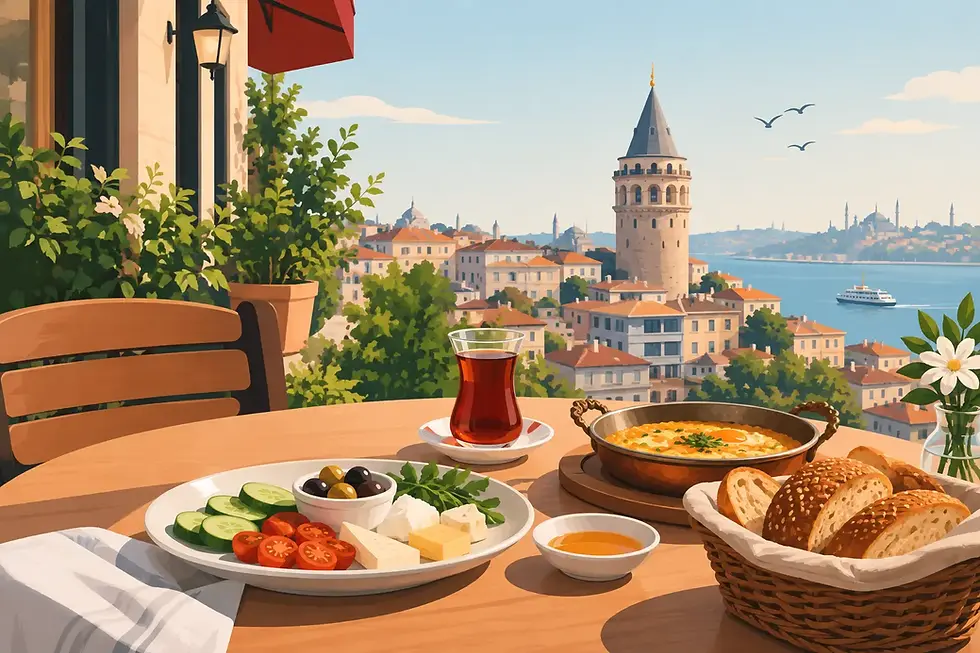
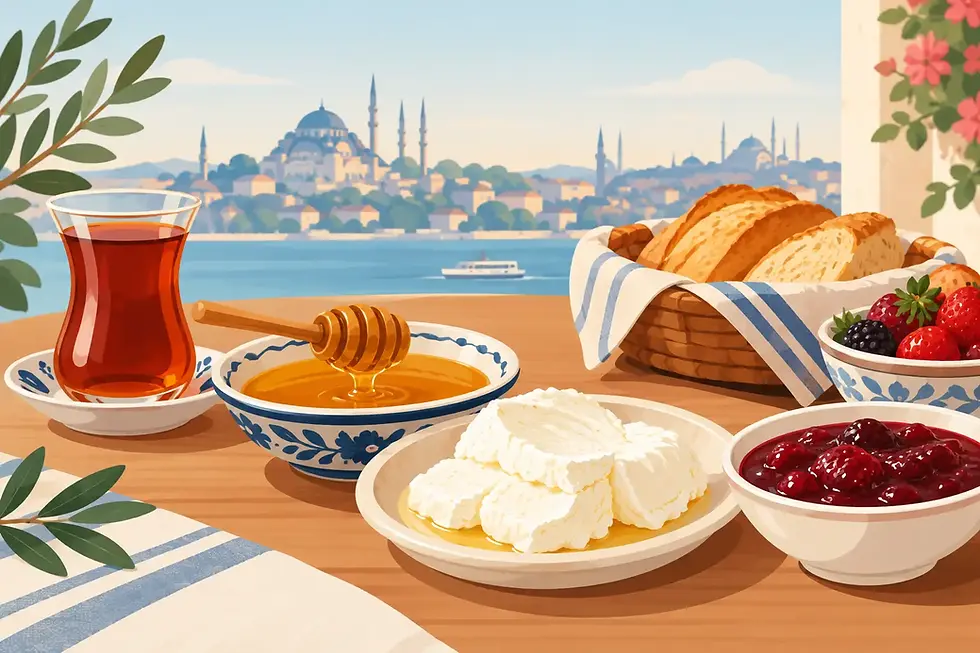
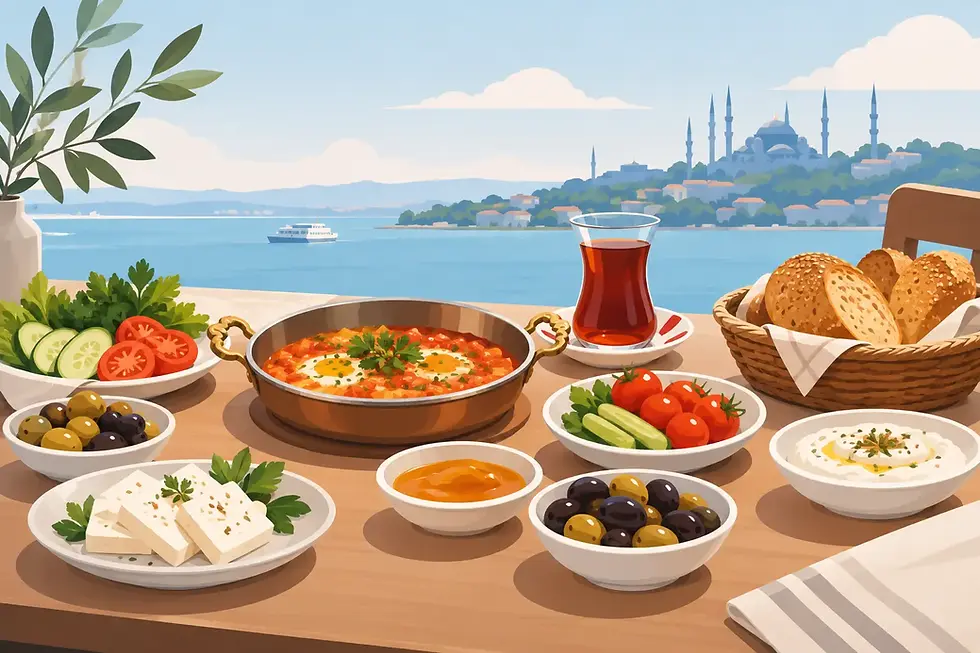
An Anatolian breakfast table often brings together cheeses, olives, tomatoes, cucumbers, eggs, jams, honey, clotted cream, breads, pastries, and hot dishes that change with the kitchen and the season. The appeal is not only variety. It is the feeling that each item has been chosen to create harmony between freshness, comfort, and appetite.
For travelers and city diners alike, breakfast is often the first doorway into the cuisine because it feels immediately warm and human. You do not need to know the background of every dish to understand the pleasure of tearing bread, pouring tea, and reaching across the table for another taste. A restaurant that treats breakfast with seriousness and affection often reveals its values before lunch even begins.
Handmade food tells the truth
There is a reason certain dishes leave a stronger impression than others. They show the hand of the kitchen. Handmade mantı is one of the clearest examples. Small folds of dough, carefully filled, boiled to tenderness, then finished with yogurt and a butter sauce touched by pepper or mint - this is a dish that asks for labor, attention, and respect.
The same is true for slow braises, carefully prepared meze, soups that taste like they have been watched rather than rushed, and desserts that rely on texture as much as sweetness. In an age of standardization, handmade food signals something increasingly rare. It tells diners that someone cared enough not to cut the corner everyone else cuts.
That does not mean every Anatolian restaurant must be rustic or old-fashioned. Refinement has its place. A polished dining room, a well-composed plate, and a contemporary menu format can all support the experience. What matters is whether the soul of the dish survives presentation.
Atmosphere is part of the meal
A true anatolian food restaurant is not measured only by what comes from the kitchen. The room matters. So does the pace. So does the welcome at the door.
Hospitality in this tradition is emotional before it is operational. Guests should feel received, not processed. The difference is subtle but unmistakable. Water appears before it is requested. Tea is offered with warmth, not routine. Staff know how to guide curious diners without making the experience feel staged.
For a place that serves both locals and visitors, this becomes even more important. Many guests are looking for something they can trust - not a performance of culture, but a living expression of it. The best restaurants manage to feel grounded and inviting at the same time. They do not flatten heritage into décor. They let food, service, and atmosphere carry the meaning together.
In neighborhoods like Cihangir, where diners often arrive with both curiosity and high expectations, this balance matters even more. People want a meal worth remembering and, often, worth returning to. That usually happens when a restaurant feels personal rather than overly produced.
Tradition and modern taste can share the same table
Some diners want complete authenticity, while others want comfort interpreted with a lighter touch or broader menu. A strong restaurant understands that these are not always opposing desires.
Anatolian cuisine has room for both preservation and thoughtful adaptation. A menu can honor regional Turkish dishes and Ottoman references while also meeting contemporary dining habits. That might mean offering a breakfast spread beside bowls, balancing rich classics with fresher all-day options, or presenting heritage dishes in a way that feels accessible to international guests.
There is a trade-off, of course. If a restaurant modernizes too far, it risks losing the depth that made the cuisine meaningful in the first place. If it refuses any adaptation, it may become harder for new diners to enter the experience. The most memorable places avoid both extremes. They remain rooted, but never closed.
This is where a culture-forward restaurant can become more than a stop for lunch or dinner. It becomes a host. It gives diners a way into the cuisine through flavor, atmosphere, and story, without asking them to choose between tradition and ease.
What to look for when choosing an anatolian food restaurant
A worthwhile restaurant usually reveals itself in a few details. The menu should have a point of view, not just a collection of familiar names. There should be signs of regional care, handmade work, and dishes that feel chosen for meaning rather than convenience. Service should be warm, not theatrical. Portions should invite satisfaction, and ideally, sharing.
It also helps to notice whether the restaurant understands rhythm. Anatolian dining is not meant to feel rushed from order to check. Even in a lively city setting, there should be room to settle in, taste slowly, and let one course lead naturally to the next.
If the place also communicates something larger than appetite - memory, hospitality, craft, or cultural pride - it will likely stay with you longer than a technically decent meal ever could. That is often what separates a pleasant restaurant from one people recommend with real affection.
At Dafne Cafe & Kitchen, that philosophy lives in a simple belief: every plate carries a story, and every bite carries a culture. It is a beautiful standard for any restaurant that wants to serve Anatolian food with honesty.
The best meals do more than satisfy hunger. They remind us that food can hold a region together across generations, and that sitting down at the right table still feels like being welcomed home.
Yorumlar