
What Makes an Aile Lokantası Special?
Some places feed your appetite. An aile lokantası feeds your sense of belonging.
That difference is easy to feel and surprisingly hard to fake. You notice it in the way the table fills before anyone asks twice, in the comfort of recipes that seem to have outlived trends, and in the quiet confidence of a dining room that does not need theatrics to leave an impression. An aile lokantası is not simply a family restaurant in the literal sense. It is a dining tradition shaped by generosity, familiarity, and the belief that a meal should gather people, not just serve them.
What an aile lokantası really means
In Turkish food culture, an aile lokantası carries emotional weight. The phrase suggests a place where different generations can sit comfortably at the same table, where the food feels honest, and where hospitality is offered with ease rather than performance. It is a restaurant format, but also a social language.
At its best, this kind of restaurant creates trust. You go because you expect real cooking, but you return because the experience feels human. The room may be polished or simple, traditional or updated, but the heart of it stays the same - food made to satisfy, portions meant to be shared, and service that makes people feel looked after.
That is why the idea still matters. In a dining landscape crowded with concepts, the aile lokantası remains one of the clearest expressions of what Turkish hospitality can be when it is done with sincerity.
The table is the story
An aile lokantası is built around the table, not the plate alone. That distinction matters.
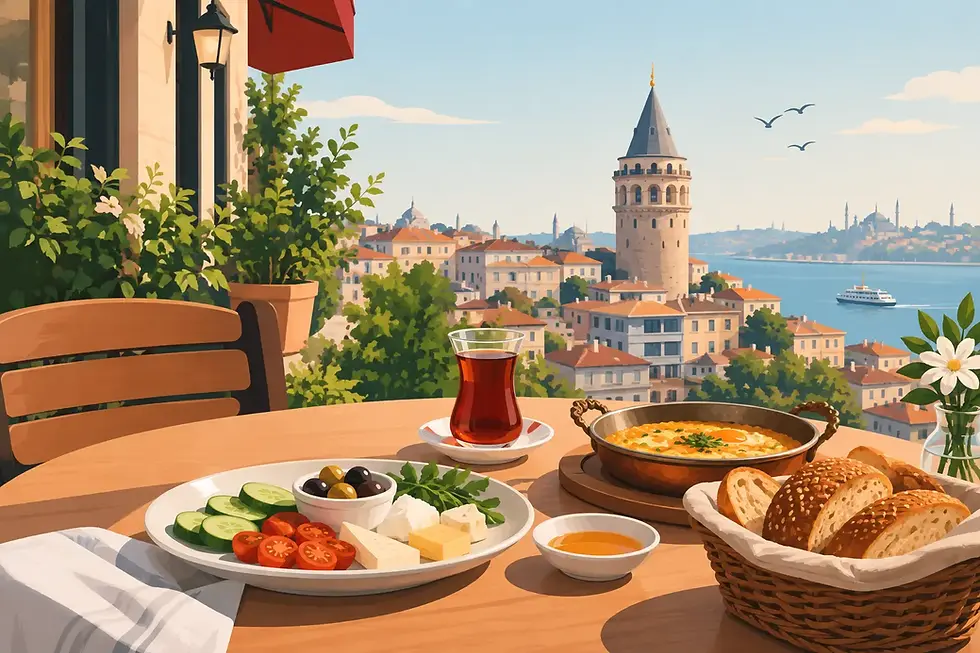
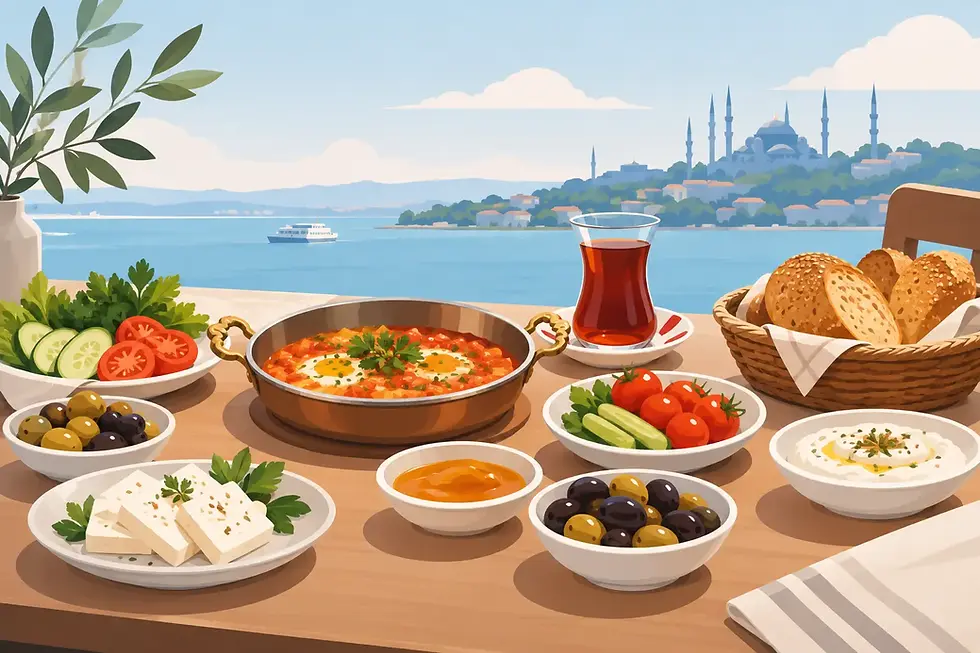
In many modern dining spaces, the individual order is the center of attention. In a family-style Turkish setting, the table becomes a shared composition. Meze arrives and sparks conversation. A pot dish placed in the middle invites a second spoonful. Fresh bread turns every sauce into something worth lingering over. The meal unfolds in layers, and so does the evening.
This is one reason these restaurants feel memorable to both locals and travelers. They offer access to a cultural rhythm. You are not just choosing what to eat. You are stepping into a way of eating that values closeness, patience, and appetite as a collective pleasure.
For guests who want more than a quick stop, this style of dining has depth. It carries memory. Many people recognize echoes of childhood kitchens, long lunches at relatives' homes, or the warm choreography of dishes arriving one after another with no rush to clear the table.
Why comfort food is only part of the picture
It is tempting to describe an aile lokantası as comfort food and leave it there. But that definition is too small.
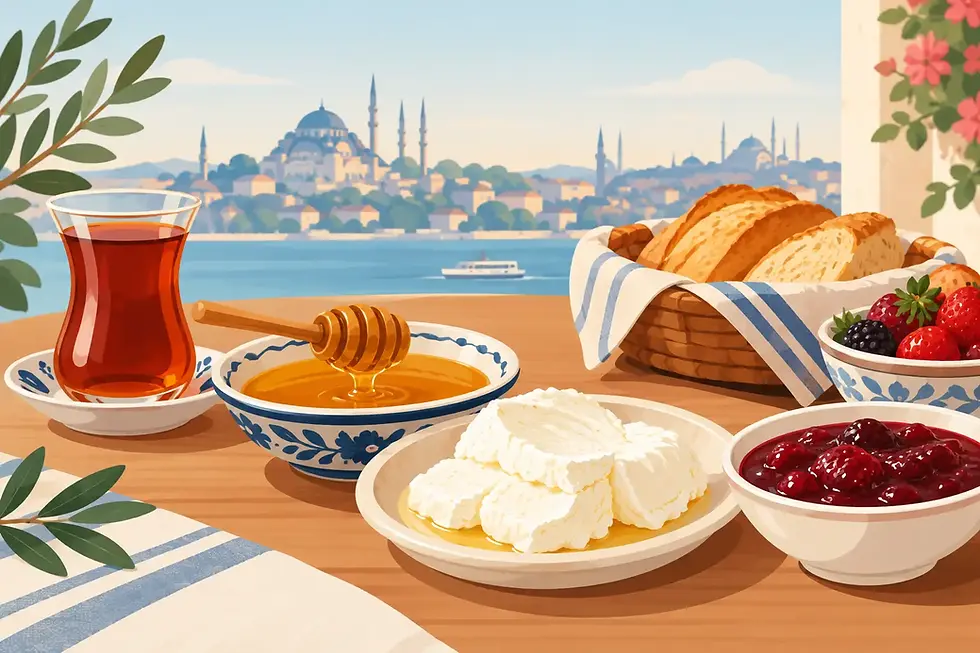
Yes, comfort matters. Handmade mantı, slow-cooked stews, rice pilaf, stuffed vegetables, soup, breakfast spreads, and home-style olive oil dishes all belong to this emotional landscape. They reassure. They soften the day. They make people feel at ease.
But the deeper value lies in continuity. These dishes carry regional habits, seasonal judgment, and family preferences that have passed from one generation to another. Even when a restaurant refines the presentation, the emotional architecture of the food remains rooted in memory.
That is where sophistication can coexist with tradition. A thoughtful restaurant does not need to choose between heritage and elegance. It can preserve the soul of familiar dishes while presenting them with care, restraint, and a strong sense of place. When that balance is right, the meal feels both intimate and elevated.
The signs of a good aile lokantası
Not every restaurant that uses the language of warmth creates the feeling. A good aile lokantası is recognized through details.
The menu usually has breadth, but not confusion. There is enough variety for a group with different cravings, yet the food still feels grounded in a clear point of view. Breakfast should feel generous rather than decorative. Main dishes should suggest time, patience, and a kitchen that understands texture as much as flavor. Desserts should close the meal with familiarity, not spectacle for its own sake.
Service matters just as much. In this setting, hospitality is not stiff and not overly casual. It is attentive in a way that relaxes people. The best service anticipates the rhythm of the table, gives recommendations with confidence, and makes room for guests to settle in.
Then there is atmosphere. An aile lokantası does not need to look old-fashioned, but it should feel emotionally accessible. If the room is too formal, the warmth disappears. If it is too performative, the trust fades. The most memorable places create beauty without intimidation.
Aile lokantası in a changing city
Istanbul has always held layers of dining culture at once. There are specialist shops, neighborhood classics, chef-led restaurants, new cafes, historic dining rooms, and places that move between these categories with ease. In that mix, the aile lokantası has adapted rather than vanished.
Today, many diners want authenticity, but they also care about atmosphere, presentation, and discovery. They want the meal to feel rooted, but not dated. They are drawn to restaurants that can honor tradition while still speaking to contemporary life.
This is where the format becomes especially interesting. A modern aile lokantası can hold onto the generosity and emotional familiarity of a classic family restaurant while broadening the culinary conversation. Anatolian dishes, Ottoman references, handmade specialties, and even carefully integrated global touches can coexist when they are guided by a coherent hospitality philosophy.
That blend is not always easy. Push too far into trend-driven styling and the restaurant loses its soul. Stay too rigidly attached to nostalgia and it may stop feeling alive. The strongest examples understand that heritage is not static. It breathes through adaptation, as long as the core values remain intact.
Why travelers and locals both seek it out
For locals, an aile lokantası can feel reassuring in the best sense. It promises substance, consistency, and the kind of welcome that suits an ordinary weekday lunch as much as a long weekend breakfast. It offers a setting where people can bring parents, friends, colleagues, or out-of-town guests without overthinking the choice.
For travelers, especially those trying to understand Istanbul through food, it offers something more revealing than a checklist meal. It creates contact with everyday generosity. The dishes often feel more personal than performative, and the experience leaves room for emotion. That matters when people are not just searching for a good restaurant, but for a sense of where they are.
In neighborhoods such as Cihangir, where cultural curiosity and everyday life meet naturally, this kind of restaurant can become a bridge. It welcomes the visitor without flattening the culture into something generic. It invites discovery while keeping the table grounded in local identity.
More than nostalgia
There is a tendency to speak about family-style Turkish dining only through nostalgia. Nostalgia is part of it, but not the whole truth.
An aile lokantası still matters because it answers a very current hunger. People want places that feel sincere. They want meals with texture, pace, and emotional weight. They want restaurants where sharing does not need to be explained as a concept because it already lives in the structure of the table.
That is why this dining tradition continues to resonate with younger urban guests, international visitors, and culturally curious regulars alike. It offers an antidote to disposable dining without becoming heavy-handed about heritage. It says that quality can feel warm, that beauty can feel generous, and that a restaurant can be polished without losing its heart.
At Dafne Cafe & Kitchen, that spirit shapes the experience in a way that feels both rooted and contemporary. The warmth of an aile lokantası meets a curated menu language where Turkish breakfast, Anatolian cooking, handmade dishes, and cultural storytelling sit naturally side by side.
What stays with people after the meal
Long after the plates are cleared, what people remember is rarely just one bite. They remember how the table felt. They remember being urged to try one more dish, the comfort of familiar flavors presented with care, and the sense that the meal carried something larger than itself.
That is the quiet power of an aile lokantası. It preserves the human side of dining. It reminds us that hospitality is not a decorative extra. It is the meal's deepest ingredient.
If you are choosing where to eat and hoping for something with warmth, character, and cultural depth, follow the places that make room for sharing. The best meals are often the ones that feel like they were waiting for you.
Yorumlar