Why a Family Style Turkish Restaurant Stays With You
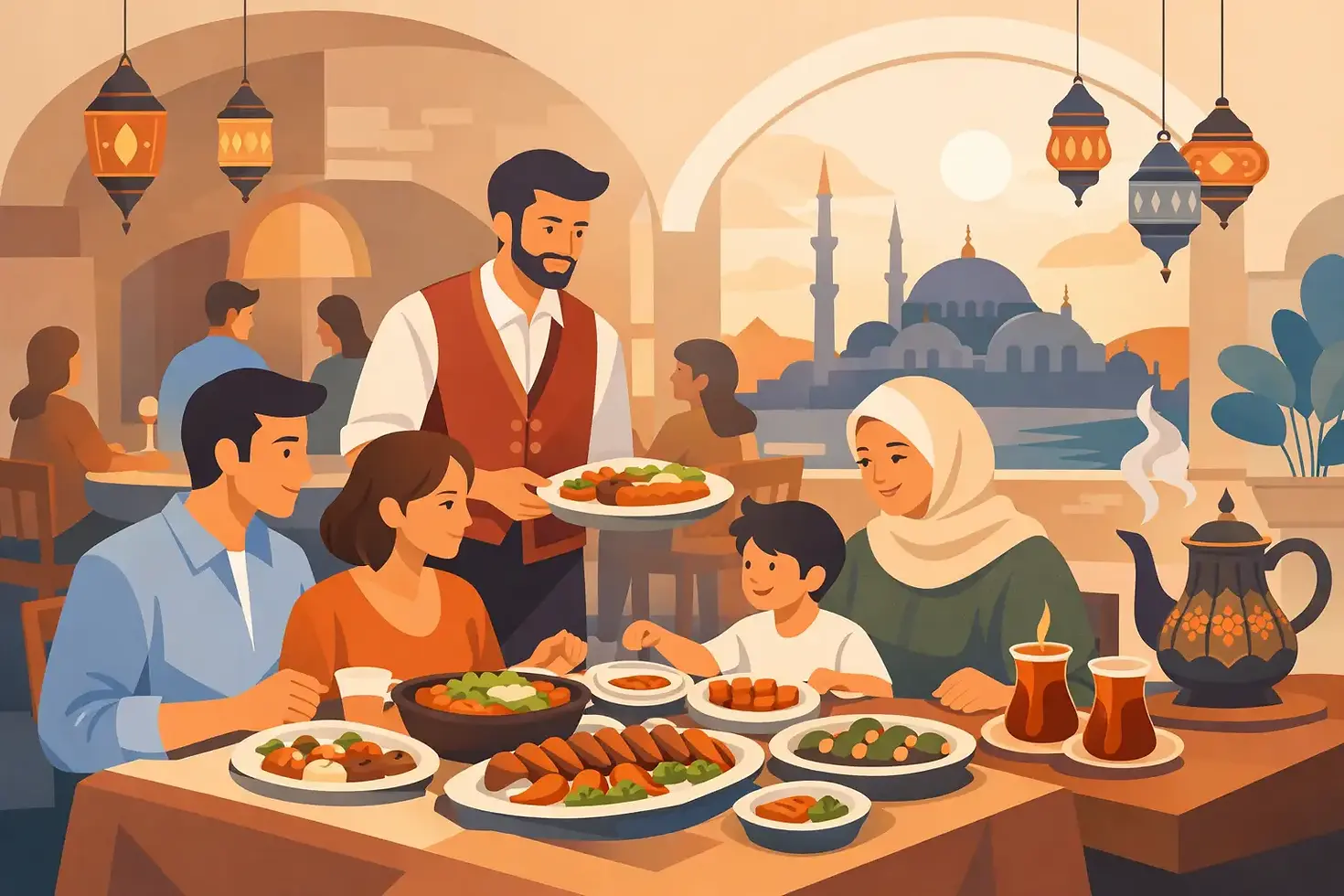
Some restaurants feed your appetite. Others change the pace of your evening. A family style Turkish restaurant does something rarer - it gathers people around the table in a way that feels generous, unhurried, and deeply human. Before the first bite, there is already a sense of arrival: small plates appearing one by one, warm bread set down at the center, glasses lifted, conversation opening.
That feeling is not accidental. In Turkish food culture, the table has long been a place of welcome, memory, and connection. A meal is not arranged around individual orders alone. It often unfolds through sharing, tasting, offering, and insisting that one more spoonful should be tried. Her Tabakta Bir Hikaye, Her Lokmada Bir Kültürdür is not just a beautiful phrase. It reflects the way dishes carry family habits, regional traditions, and the quiet rituals that turn dinner into belonging.
What defines a family style Turkish restaurant
At its heart, a family style Turkish restaurant is built around abundance and togetherness. The table is meant to feel alive. Instead of one plate arriving and the experience becoming private, the meal is collective. Meze, warm starters, handmade specialties, grilled dishes, vegetable-based recipes, and desserts create a rhythm that invites everyone to taste from the same story.
This style of dining is especially expressive in Turkish cuisine because the cuisine itself is layered. It moves from the Aegean's olive oil dishes to Central Anatolia's dough-based comfort foods, from Ottoman-influenced recipes with slow depth to breakfast spreads that turn morning into an occasion. Sharing works so naturally here because Turkish food was never designed only for efficiency. It was shaped by households, guests, neighborhoods, and long conversations.
There is also an emotional detail that many diners recognize right away, even if they cannot name it. A true family-style experience does not feel performative. It feels cared for. The hospitality matters as much as the menu. You are not simply served. You are hosted.
The pleasure of shared plates in a family style Turkish restaurant
There is a practical reason shared dining continues to appeal to modern diners: it allows the table to experience more. One person may crave silky hummus, another may want smoky eggplant, someone else may be waiting for mantı with garlicky yogurt and butter. Family style makes room for all of it.
But the real pleasure goes beyond variety. Shared plates soften the formality of dining out. They create small moments of exchange - passing the bread basket, recommending the next bite, watching someone discover a dish they did not expect to love. For couples, friend groups, and travelers trying to understand a place through its food, this style feels more intimate than ordering in isolation.
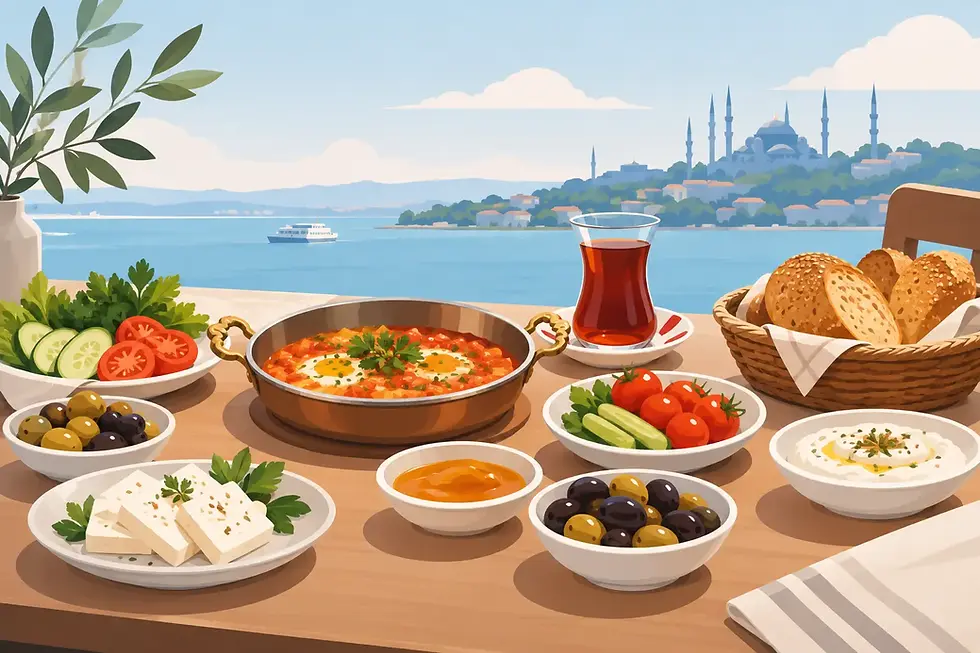
Turkish cuisine especially rewards this approach. Meze are conversational by nature. Breakfast spreads are almost impossible to reduce to a single plate. Even heartier dishes become more memorable when tasted alongside something bright, tangy, herbaceous, or slow-cooked. The contrast is part of the pleasure.
There is, of course, a trade-off. Family style is not ideal for every diner or every mood. If someone wants a quick meal, strict portion control, or a highly individual dining structure, shared service can feel slower and less defined. But for those seeking a meal with atmosphere and meaning, that looseness is often the point. It gives the table room to breathe.
Why Turkish hospitality changes the experience
A good meal can impress. Warm hospitality makes people return.
In a Turkish setting, hospitality is often expressed through attentiveness that feels personal rather than scripted. The welcome matters. The pace matters. The sense that guests should be comfortable, well-fed, and gently guided through the menu matters. This is one reason a family style Turkish restaurant often leaves a stronger emotional impression than trend-driven dining. The memory is not built only on flavor. It is built on how the evening felt.
This kind of service has roots in home life as much as in restaurant culture. Turkish tables have long centered on sharing what is available with generosity, whether simple or elaborate. That spirit carries into dining rooms that understand food as a cultural gesture. The result is an experience that can feel both elevated and familiar.
For travelers in Istanbul, this matters even more. Many visitors are not only hungry for a meal. They are hungry for context, for a sense of where they are, for a dining experience that feels connected to the city's layered identity. A thoughtful family-style setting can offer exactly that - not as a performance of authenticity, but as a lived atmosphere.
The dishes tell the story
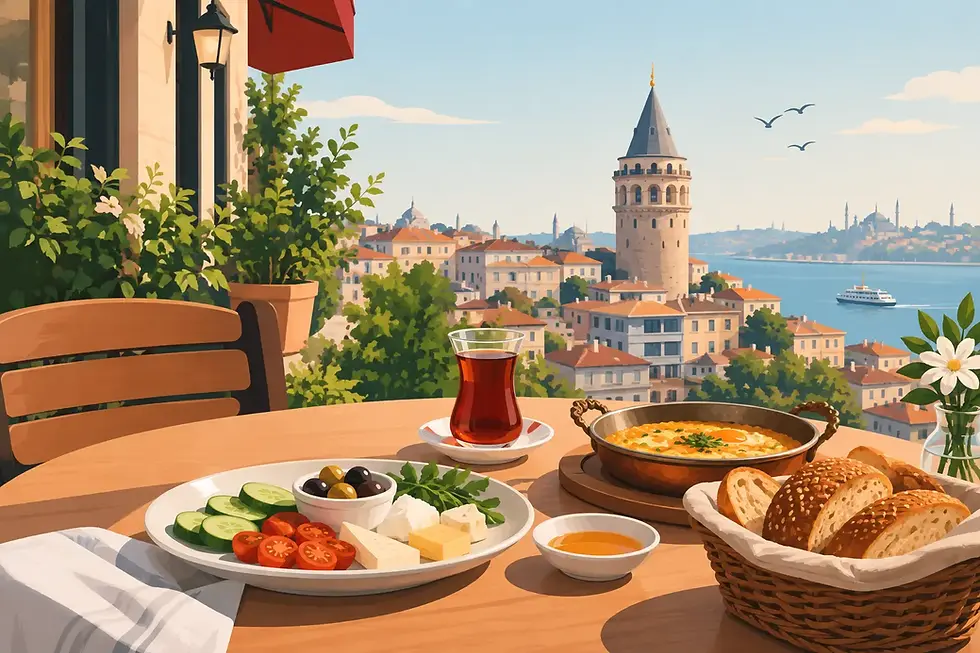
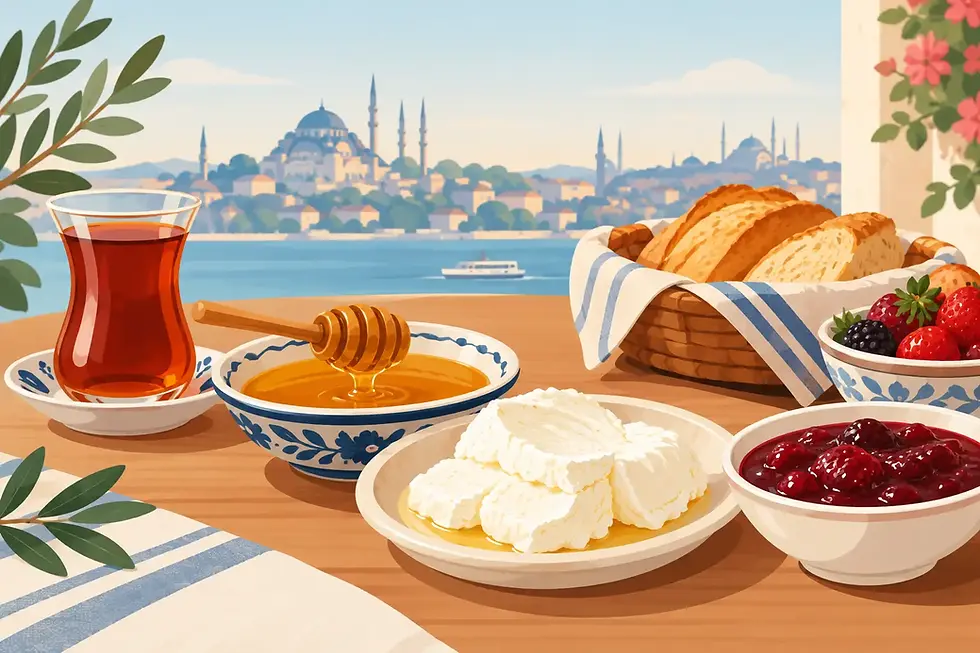
One reason this format works so beautifully with Turkish cuisine is that each dish carries a different register of history and memory. A breakfast table might hold cheeses, olives, tomatoes, eggs, jams, honey, breads, and spreads that speak to everyday comfort. A dinner table may move from meze into handmade mantı, slow-cooked dishes, or recipes with Ottoman echoes that suggest a more ceremonial depth.
What matters is not excess for its own sake. It is curation with soul. The best family-style restaurants know how to build a table with balance: creamy against crisp, smoky against fresh, rich against acidic, familiar against slightly unexpected. This is where sophistication quietly enters the picture. A shared meal can feel generous without feeling heavy, and traditional without feeling static.
For culturally curious diners, that balance is often what makes the experience memorable. You are not just tasting Turkish food. You are tasting regional character, seasonal habits, and the way old recipes continue to live in a modern city.
Choosing the right family style Turkish restaurant
Not every restaurant that serves platters or meze truly delivers a family-style experience. The difference often shows up in the details.
Look first at the menu. A strong family-style Turkish restaurant usually offers range without losing identity. You want dishes that invite sharing naturally, not a menu that feels scattered. Meze, breakfast spreads, handmade dishes, grilled items, vegetable plates, and desserts should feel connected by a point of view.
Then pay attention to atmosphere. Family style works best in a space that encourages people to linger. That does not mean it must be rustic or old-fashioned. A polished dining room can still feel warm. What matters is whether the room supports conversation, comfort, and a sense of welcome.
Service is the final test. Staff should be able to guide guests through the table, suggest combinations, and read the pace of the group. Family style can feel clumsy when service is too rigid, or chaotic when there is no guidance at all. The best places find a graceful middle.
In neighborhoods like Cihangir, where local life, creative energy, and destination dining overlap, this kind of restaurant becomes especially meaningful. It can offer visitors an Istanbul experience with texture, while giving locals a place that still feels rooted. That is part of what makes Dafne Cafe & Kitchen resonate with guests looking for both comfort and character.
More than dinner, less than ceremony
What makes a family style Turkish restaurant so appealing today is that it answers a modern hunger many people do not describe directly. People want meals that feel social without being shallow, beautiful without being cold, and culturally specific without feeling closed off. Shared Turkish dining meets that need with unusual grace.
It gives people permission to slow down. It makes room for appetite, conversation, and curiosity at the same table. It reminds us that hospitality can still feel sincere, and that tradition can be presented with confidence and style.
When a restaurant gets this right, guests leave with more than favorite dishes. They leave with a feeling they want to return to - the warmth of bread passed across the table, the surprise of a new flavor, the ease of a meal that made everyone part of it. If you are choosing where to eat in Istanbul, that kind of place is worth seeking out, because the best tables do not just serve food. They make people feel held.
Yorumlar