
Ottoman Cuisine and the Stories It Tells
A spoonful of hünkar beğendi, a plate of stuffed vine leaves, the perfume of cinnamon rising from a slow-cooked meat dish - Ottoman cuisine still speaks in flavors many diners recognize before they can name them. It is not a frozen chapter of history or a narrow palace menu. It is a living culinary memory shaped by migration, trade, ritual, hospitality, and the deep pleasure of gathering around a table that asks no one to hurry.
For people who love food with a sense of place, Ottoman cuisine offers something richer than nostalgia alone. It shows how an empire ate, but also how homes cooked, how regions contributed, and how taste became part of culture itself. Every dish carries a small inheritance. Some arrived from court kitchens with careful technique and layered seasoning. Others were carried from village traditions, then refined through the rhythm of urban life.
What makes Ottoman cuisine distinct
The character of Ottoman cuisine comes from balance. It values abundance, but not excess for its own sake. It seeks harmony between sweet and savory, richness and acidity, fragrance and restraint. You taste this in dishes where meat is softened by fruit, where rice is scented with currants and spices, or where yogurt brings cool relief to a deeply savory plate.
That balance reflects the geography behind the table. The Ottoman world stretched across Anatolia, the Balkans, the Levant, the Aegean, the Black Sea, and parts of North Africa. Its cuisine absorbed ingredients, habits, and techniques from many regions, then shaped them into a shared culinary language. Rice, eggplant, lamb, clarified butter, herbs, dried fruits, nuts, molasses, pulses, and pastry all found a place in that language.
Still, Ottoman cuisine is often misunderstood. Many people reduce it to palace food, as if it belonged only to silver service and formal banquets. Palace kitchens were influential, certainly, and they helped codify refinement, technique, and presentation. But the broader story includes guild cooks, neighborhood kitchens, festive home meals, and recipes that moved between classes over generations. The result is a cuisine that is both elevated and intimate.
Ottoman cuisine in the palace and at home
The imperial kitchens of Istanbul played a major role in shaping culinary prestige. They employed specialized cooks, organized ingredients at scale, and developed dishes with remarkable precision. Court cuisine favored elegance, texture, and subtle complexity. It did not always rely on heat or bold spice in the modern sense. Instead, it worked through layering - a little cinnamon here, a little clove there, sour cherry in one dish, almond in another.
But the home table matters just as much when we talk about Ottoman cuisine. Domestic cooking gave the cuisine its emotional life. Stuffed vegetables, slow braises, soups, pilafs, sherbets, and pastries were not only symbols of refinement. They were part of hospitality, religious holidays, family visits, and everyday care. Food marked births, weddings, mourning, celebration, and simple afternoon gatherings.
This is one reason the cuisine still feels close. It was never only about spectacle. It was also about generosity. A meal was an offering of respect. To feed someone well was to recognize them fully.
The role of seasonality and region
Ottoman cooking followed the seasons more closely than many modern menus do. Spring brought fresh herbs, green almonds, and tender vegetables. Summer leaned into tomatoes, eggplant, peppers, and fruit. Autumn deepened the table with grains, legumes, and preserved ingredients. Winter welcomed slow cooking, soups, and dishes that gathered warmth over time.
Region mattered too. The olive oil traditions of the Aegean, the grain-rich habits of Central Anatolia, the spice influence of the southeast, and the dairy culture of other regions all contributed to the wider Ottoman palate. So when people ask what Ottoman cuisine is, the honest answer is that it depends on where you begin. Its unity comes from shared sensibility more than rigid sameness.
The ingredients that define Ottoman cuisine
Certain ingredients appear again and again because they create the cuisine's signature mood. Eggplant may be the most iconic - smoked, fried, pureed, stuffed, stewed, or layered into dishes with meat and tomato. Lamb has a central role, though beef and poultry also appear. Rice is more than a side; in many Ottoman-influenced meals, it acts as a stage for aroma, texture, and ceremony.
Then there are the ingredients that surprise modern diners. Fruit in savory dishes is one of them. Apricots, quince, prunes, raisins, and sour cherries were not decorative afterthoughts. They shaped the architecture of flavor. Nuts such as pistachios, almonds, and pine nuts added richness and texture. Rose water, mastic, cinnamon, and mahlep appeared with a gentle hand, especially in desserts and festive baking.
Olive oil and butter both have their place, which says a lot about the cuisine's range. There is room for the bright simplicity of vegetable dishes and the velvet depth of long-cooked meats. Yogurt, too, is essential - not just as accompaniment, but as a cooling, tangy counterpoint that brings a table into balance.
Signature dishes and what they reveal
Some dishes often associated with Ottoman cuisine are well known, but they deserve more than a quick label. Hünkar beğendi, with its tender meat over smoky eggplant puree, tells a story of luxury made comforting. It is regal in name yet deeply soothing on the palate.
Pilaf, especially versions enriched with currants, nuts, or stock, reveals how a seemingly simple dish can carry status and skill. Dolma and sarma show patience, care, and a love of detail. A well-made stuffed vegetable is never casual. It asks for time, steady hands, and attention to proportion.
Börek speaks to the Ottoman mastery of pastry, from breakfast tables to festive gatherings. Sherbets and hoşaf remind us that the cuisine extends beyond solid food into the choreography of refreshment and hospitality. And desserts such as güllaç or baklava show different sides of sweetness - one delicate and ceremonial, the other rich and celebratory.
Yet it would be too simple to present these dishes as museum pieces. The real beauty of Ottoman cuisine is that many of these ideas still live comfortably in contemporary dining. A modern plate may be lighter, cleaner in presentation, or adapted to current tastes, but the emotional and cultural thread remains intact.
Why Ottoman cuisine still matters in Istanbul
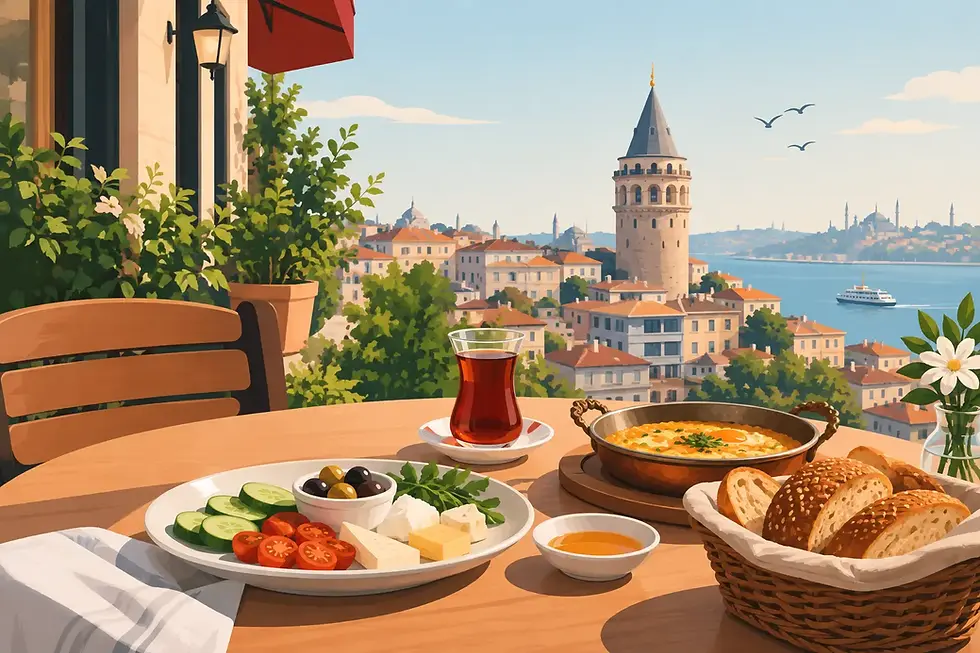
Istanbul remains one of the best places to feel the afterlife of Ottoman cuisine because the city never stopped carrying it. You can taste its echoes in esnaf cooking, celebratory meals, old dessert traditions, breakfast tables, and seasonal specials that return year after year. Even when dishes are not explicitly labeled Ottoman, their grammar often is.
That matters for diners who want more than trend-driven menus. Ottoman cuisine offers continuity. It reminds us that food can be both beautiful and generous, both sophisticated and deeply familiar. In a city where cultures have met for centuries, this cuisine helps explain why Istanbul still feels layered at the table.
At a place like Dafne Cafe & Kitchen in Cihangir, that layered feeling makes particular sense. The pleasure is not only in tasting tradition, but in meeting it in a setting that understands food as memory, welcome, and conversation.
Tradition without imitation
There is a delicate line between honoring Ottoman cuisine and turning it into costume. The best contemporary interpretations do not try to imitate history exactly. They respect the ingredients, the balance, and the spirit of the dishes while recognizing that modern diners eat differently. Portions may be lighter. Presentation may be more refined. Some recipes may be less sweet, less fatty, or more regionally focused.
That is not a loss. It is how living cuisines survive. Preservation matters, but so does intelligence. A dish can remain faithful without becoming rigid.
How to appreciate Ottoman cuisine as a diner
The best way to approach Ottoman cuisine is with patience. Do not look only for dramatic flavors or oversized portions. Notice texture, aroma, and contrast. Pay attention to how sourness lifts richness, how fruit softens meat, how rice or yogurt changes the whole shape of a bite.
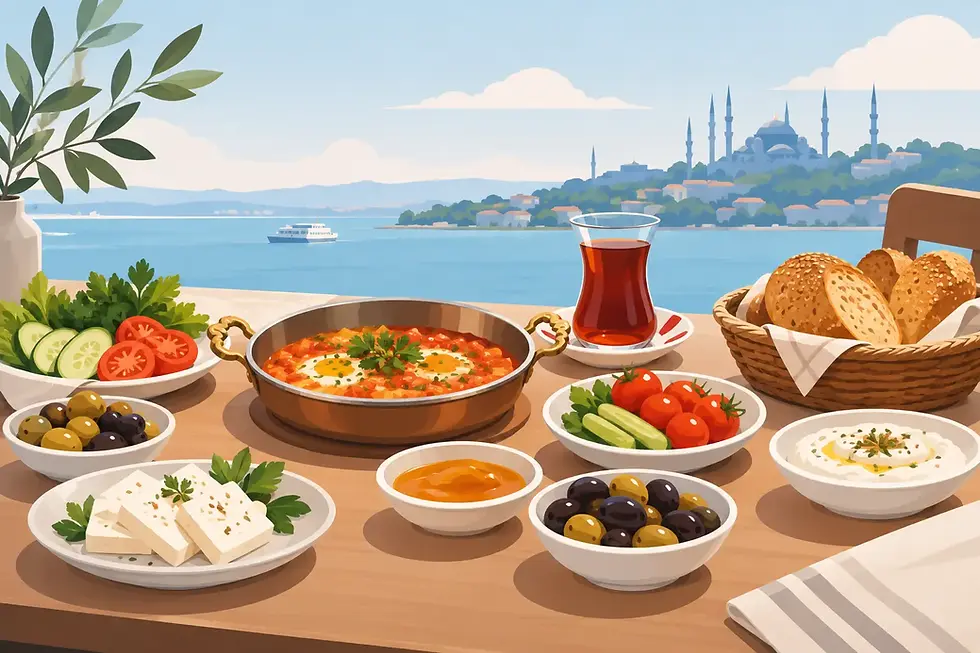
It also helps to order for the table when possible. This cuisine reveals itself through variety. A spread of meze, a warm main dish, a pastry, something cooling, something fragrant, something slow-cooked - together they create the conversation Ottoman food has always wanted to have.
And if a dish feels familiar yet somehow more layered than expected, that is often the point. Ottoman cuisine has a quiet confidence. It does not need to shout to be memorable.
The next time you sit down to a meal shaped by these traditions, give it a little time before naming what you like about it. Sometimes the most lasting flavor is not just taste, but recognition - the feeling that a dish has carried history gently into the present and set it before you with warmth.
Yorumlar